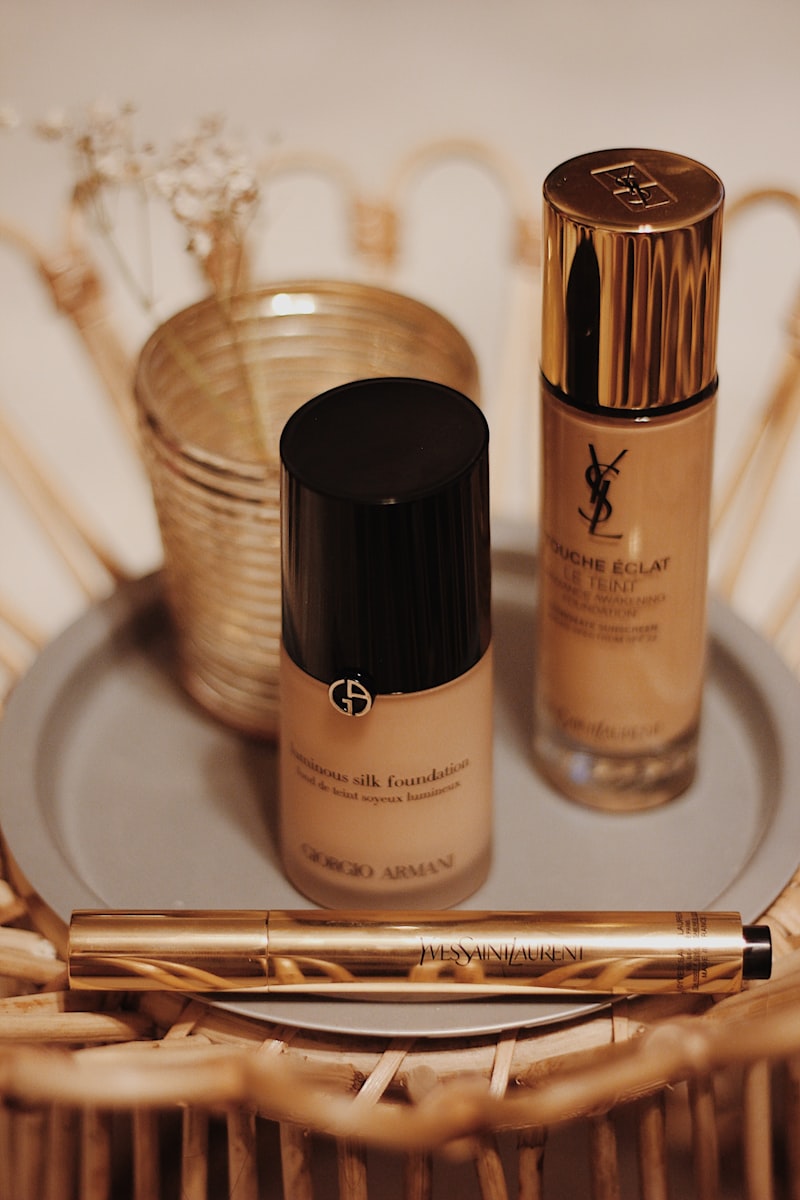
Why Your Makeup Isn't Smooth: Common Foundation Mistakes and Fixes
A Certified Makeup Artist troubleshoots the most common reasons foundation looks patchy or uneven, with practical fixes for a smoother, more professional finish.
By Rita Almusa, Licensed Master Esthetician — 20+ years of experience
Introduction
If your foundation never quite looks smooth, no matter which product you try, the issue is almost always technique or skin prep — not the foundation itself. As a Master Esthetician and Certified Makeup Artist, I want to walk through the most common reasons makeup looks patchy or uneven and give you real, practical fixes for each one, rather than sending you off to buy yet another foundation.
Reason 1: Skipping Skin Prep
Foundation applied over dry, dehydrated, or unexfoliated skin will always emphasize texture rather than smoothing over it — no formula can fully compensate for skin that isn’t properly prepped underneath. Make sure skin is cleansed, gently exfoliated when needed, and fully moisturized, giving products a few minutes to absorb before you start applying color. If texture is your main issue, I walk through a gentle enzyme option in my orange peel prep hack that works well right before foundation.
Reason 2: Using the Wrong Tool for Your Foundation’s Formula
Different foundation formulas genuinely blend better with different tools. A brush distributes product with more control and buildable coverage, while a damp sponge presses product into the skin for a more diffused, skin-like finish. If your current tool and foundation formula aren’t working well together, switching tools — before switching foundations entirely — is often the actual fix. A quality set of makeup brushes makes this kind of experimentation much easier, since different brush shapes genuinely change how a formula lays down.
Reason 3: Applying Too Much Product at Once
A common instinct is to apply foundation in one or two large amounts and then try to blend it out — but this makes even, smooth blending significantly harder. Applying in thin layers, building up coverage gradually only where you actually need it, gives you far more control and a smoother finish than trying to spread one heavy application evenly across the whole face.
Reason 4: Not Setting Foundation Properly
Skipping a setting step, or setting unevenly, can cause foundation to move or separate over the course of a day, which reads as unevenness later even if the initial application was smooth. A light, even layer of setting powder, focused where you actually need oil control, helps foundation stay put and look smooth for longer.
Reason 5: Fighting Your Skin’s Natural Texture Instead of Working With It
Trying to fully erase every bit of visible texture with heavier and heavier product usually backfires — it draws more attention to texture, not less, since heavy makeup can settle into fine lines and pores rather than sitting smoothly on top of them. A lighter-handed, more targeted approach to coverage, combined with proper skin prep, generally reads as smoother than a heavier, all-over application.
Reason 6: Ignoring Foundation Shade and Undertone Match
Even a technically well-blended foundation can look “off” or uneven if the shade or undertone doesn’t match your skin — this can create a visual mismatch at the jawline or neck that reads as unevenness even when application technique is solid. If you’ve addressed prep, tools, and application amount and things still look off, revisit your shade match before assuming it’s purely a technique issue.

The Beauty Tips Guide
20+ years as a Licensed Master Esthetician and Makeup Artist, condensed into one guide.
Reason 7: Applying Foundation With Fingers Only
Fingers can work for certain steps, but relying on them exclusively for full-face foundation application tends to create uneven pressure and streaking, especially for anyone newer to makeup application. A brush or sponge distributes product more evenly and gives you more control over exactly how much pressure and product you’re using in each area.
Building a Better Foundation Routine, Step by Step
Putting this all together: prep skin fully, apply a thin first layer with an appropriate tool, build up coverage gradually only where needed, blend the edges thoroughly (especially at the jawline and hairline), and set with a light, targeted layer of powder. Each step addresses one of the common failure points above, which is why skipping any single one tends to show up as unevenness later.
Common Mistakes to Avoid
- Blaming the foundation formula before checking skin prep and technique. Most “bad” foundation experiences are actually prep or application issues.
- Applying a heavy first layer instead of building gradually. This makes even blending significantly harder.
- Using the same tool for every formula. Different textures genuinely blend better with different tools.
- Skipping setting powder entirely, or applying it heavily all over. Both extremes can create unevenness over the course of a day.
- Ignoring shade match issues and assuming it’s purely a technique problem. Revisit shade match if other fixes don’t resolve the unevenness.
Pro Tips
- Always blend foundation down into the neck, not just to the jawline, to avoid a visible line of demarcation.
- Warm cream or liquid foundation on the back of your hand before applying, which can make it glide on more smoothly.
- Use a damp, not soaking wet, sponge for the most natural, streak-free finish.
- Reassess your shade match seasonally, since skin tone can shift slightly with sun exposure throughout the year.
Frequently Asked Questions
Why does my foundation look patchy by midday even if it looks fine in the morning? This is usually a setting or skin-prep issue — oil breaking through unset areas, or dry patches becoming more visible as hydration from morning skincare wears off.
Should I switch foundations if mine always looks uneven? Not immediately — first check skin prep, tool choice, and application amount, since these cause the vast majority of unevenness issues regardless of which foundation you’re using.
Is a brush or sponge better for smooth foundation application? It depends on the formula — brushes generally give more buildable, controlled coverage, while sponges give a more diffused, skin-like finish. Experimenting with both for your specific foundation is worth the time.
How do I stop foundation from settling into fine lines? Prioritize hydration and primer before application, apply thin layers rather than one heavy one, and avoid heavy powder directly over textured areas.
Conclusion
Smooth-looking foundation comes down to preparation and technique far more than which specific product you’re using — address those fundamentals first before assuming you need a new formula. Watch the full video above for the complete troubleshooting walkthrough. ✨
Related Posts

This Fall Makeup Look Works on Everyone: A Get-Ready-With-Me Tutorial
A versatile, easy fall makeup look that flatters every skin tone and eye shape — a full get-ready-with-me tutorial from base to lips.
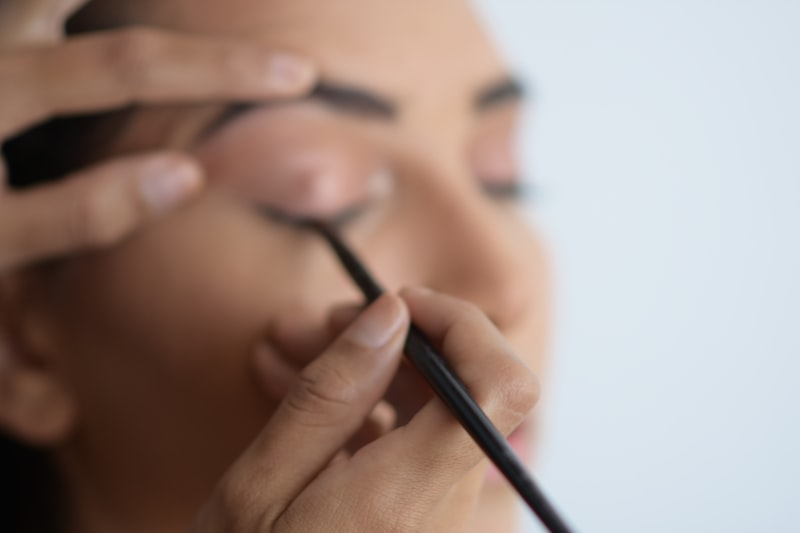
How to Get Perfect Winged Eyeliner Every Time
A step-by-step guide to consistent, symmetrical winged eyeliner — the technique, tool choice, and fixes for the most common mistakes.

Eyeshadow Tutorial for Beginners: How to Create a Soft Fox Eye Look
A beginner-friendly, step-by-step eyeshadow tutorial for the popular fox eye look — blending technique, placement, and the mistakes that ruin it.
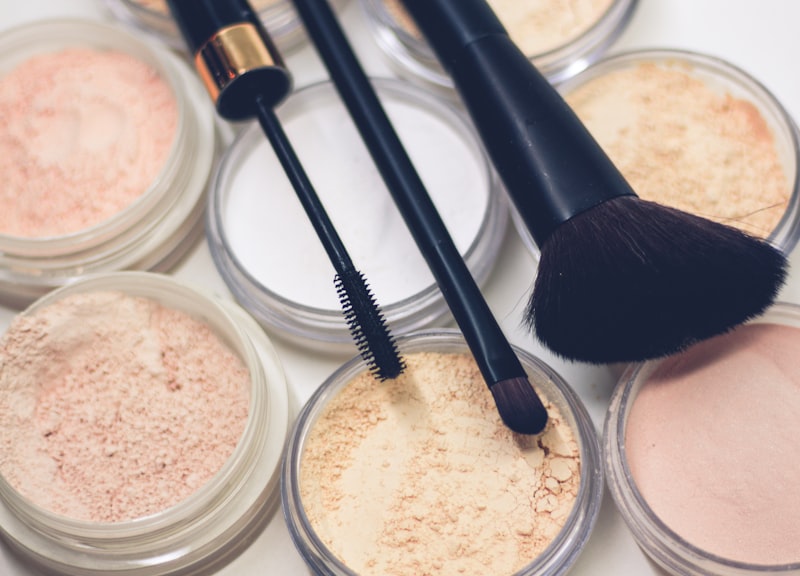
How to Use Setting Powder: The Baking Technique for Flawless, Long-Lasting Makeup
Learn how to set your foundation and concealer with powder, plus the baking technique for makeup that lasts all day without creasing or looking cakey.