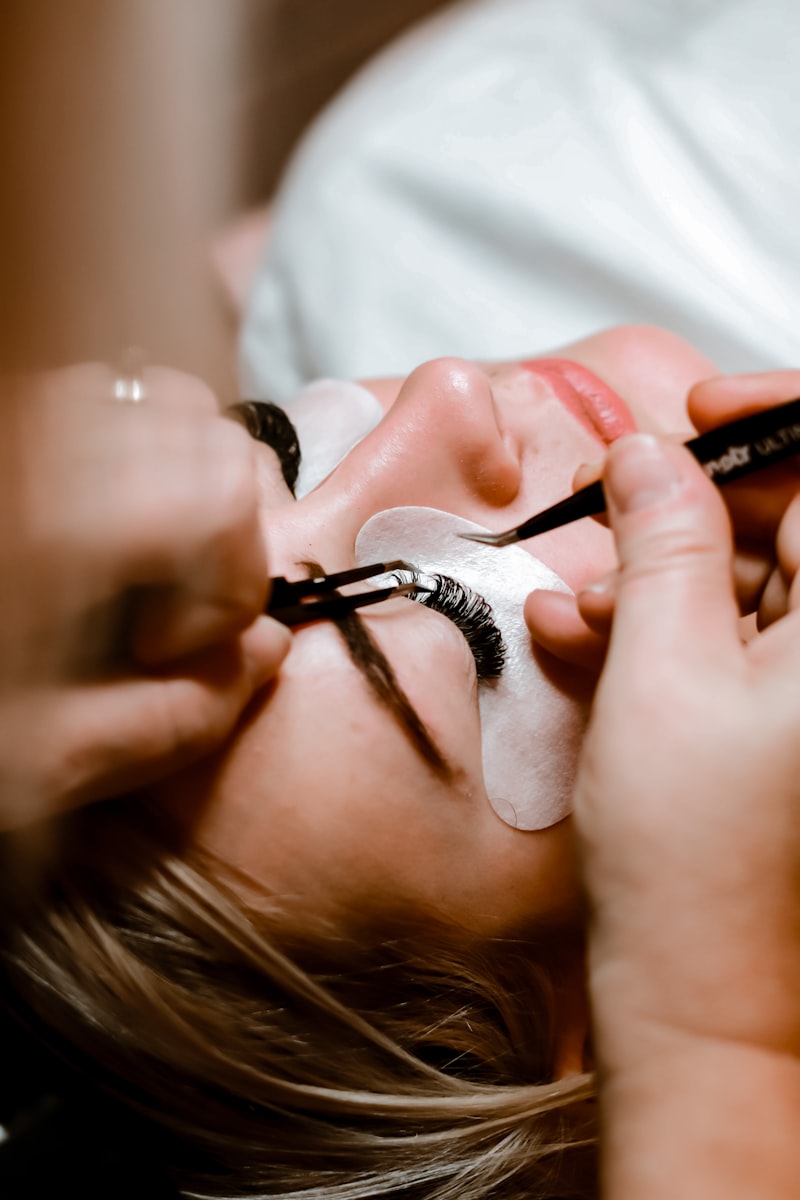
Tubing Mascara: The Waterproof Hack for Summer and Beyond
A Master Esthetician explains what tubing mascara actually is, why it's genuinely different from waterproof formulas, and how to remove it properly.
Introduction
If you’ve ever dealt with mascara flaking, smudging, or migrating under your eyes by midday, tubing mascara is worth understanding — it works through a genuinely different mechanism than standard or even waterproof formulas, and it might be the exact fix you’ve been looking for. As a Master Esthetician, I want to break down what makes this category different and how to get the most out of it.
What Tubing Mascara Actually Is
Unlike standard mascara, which coats lashes with a pigmented wax or polymer film, tubing mascara forms tiny, flexible tubes around each individual lash as it dries. This is a fundamentally different mechanism, not just a marketing distinction — the tubes are what allow this formula to resist smudging, flaking, and water exposure in a way standard formulas simply can’t match.
Tubing vs. Waterproof: What’s the Actual Difference
This is a distinction a lot of people get wrong: waterproof mascara resists water through a different chemical mechanism (typically silicone-based polymers) and requires an oil-based remover to take off, while tubing mascara’s tube-forming technology means it can often be removed with just warm water, without oil-based remover at all. Both resist water and sweat well, but they work — and remove — very differently.
Why Tubing Mascara Is Genuinely Better for Certain Uses
For anyone dealing with humidity, sweat, swimming, or tears (allergies, weddings, or just an emotional day), tubing mascara holds up in ways standard formulas can’t, since it isn’t relying on the same wax-based film that breaks down with moisture and oil. It’s also often gentler for anyone with watery or sensitive eyes, since it doesn’t flake into the eye area the way traditional formulas can when exposed to moisture.
How to Apply Tubing Mascara for Best Results
Apply in thin, even coats rather than one heavy layer — because the formula builds tubes around each lash rather than a thick pigmented coating, layering thin coats gives a more natural, buildable result than trying to load one thick layer onto the wand. Wiggle the wand at the base of the lashes first, then sweep upward to coat the length, same as with any mascara application technique.
Removing Tubing Mascara Properly
This is the step that surprises people the most: tubing mascara typically slides off with just warm water and gentle pressure, without needing a dedicated eye makeup remover at all. Wet a cotton pad or your fingertips with warm water, hold against closed lashes for a few seconds to loosen the tubes, then gently slide downward — the tubes should release cleanly rather than needing to be scrubbed or rubbed off.
Why This Removal Method Matters for Lash Health
Because tubing mascara removes without the rubbing and tugging that can be necessary with stubborn waterproof formulas, it’s also generally gentler on your natural lashes over time. Repeated harsh rubbing to remove resistant makeup is a genuine contributor to lash breakage, so a gentler removal process is a real, if underappreciated, benefit of this formula type.

The Beauty Tips Guide
20+ years as a Licensed Master Esthetician and Makeup Artist, condensed into one guide.
Who Should Consider Switching to Tubing Mascara
If you regularly deal with smudging under the eyes, watery eyes, humidity, or workouts that leave your face damp, tubing mascara is genuinely worth trying. If you already have a waterproof formula you love and don’t struggle with those specific issues, there’s no urgent need to switch — this is about solving a specific problem, not a universal upgrade.
A Note on Volume and Length Compared to Standard Formulas
Tubing formulas can sometimes build slightly less dramatic volume than a heavily loaded standard or waterproof formula, since the tube-forming technology behaves somewhat differently on the lash. If maximum volume is your top priority, you may want to layer a standard formula on top once the tubing mascara has fully dried, though many tubing formulas have improved significantly on this front in recent years.
Common Mistakes to Avoid
- Trying to remove tubing mascara with oil-based remover and heavy rubbing. Warm water alone is usually all it needs — rubbing is unnecessary and can damage lashes.
- Applying one thick coat instead of thin, buildable layers. This formula type builds best with multiple thin passes.
- Assuming tubing and waterproof mascara are interchangeable. They work through different mechanisms and require different removal approaches.
- Skipping a patch test if you have sensitive eyes. Any new mascara formula is worth testing first if you’re prone to irritation.
Pro Tips
- Use warm, not cold, water for removal — warmth helps loosen the tubes more effectively for a clean release.
- Layer thin coats for buildable volume rather than one heavy application.
- Keep tubing mascara in your bag for workouts, swimming, or humid days specifically, since that’s where it genuinely outperforms standard formulas.
- Be gentle even during easy removal — a light touch is all that’s needed, so avoid unnecessary rubbing regardless of formula.
Frequently Asked Questions
Is tubing mascara the same as waterproof mascara? No — they work through different mechanisms. Tubing mascara forms tiny tubes around each lash and typically removes with warm water alone, while waterproof formulas use different polymers and generally require oil-based remover.
Does tubing mascara flake? Significantly less than standard formulas, since the tube-forming technology doesn’t rely on the same wax-based film that tends to flake as it breaks down from moisture and oil throughout the day.
Is tubing mascara good for sensitive or watery eyes? Yes, generally — it holds up well against moisture and doesn’t flake into the eye area the way traditional formulas can, and its gentle water-based removal is easier on sensitive eyes too.
Can I use a regular makeup remover on tubing mascara? You can, but it’s usually unnecessary — warm water alone typically removes it cleanly, without needing a dedicated remover.
Conclusion
Tubing mascara solves a genuinely different problem than waterproof formulas, offering smudge- and flake-resistance through its unique tube-forming technology while remaining surprisingly easy to remove with just warm water. Watch the full video above for the complete demonstration. ✨
Related Posts

This Fall Makeup Look Works on Everyone: A Get-Ready-With-Me Tutorial
A versatile, easy fall makeup look that flatters every skin tone and eye shape — a full get-ready-with-me tutorial from base to lips.
How to Get Perfect Winged Eyeliner Every Time
A step-by-step guide to consistent, symmetrical winged eyeliner — the technique, tool choice, and fixes for the most common mistakes.

Eyeshadow Tutorial for Beginners: How to Create a Soft Fox Eye Look
A beginner-friendly, step-by-step eyeshadow tutorial for the popular fox eye look — blending technique, placement, and the mistakes that ruin it.

Mature Skin Makeup: How to Get Fuller-Looking Cheeks Without Filler
A makeup artist's technique for creating the look of fuller, lifted cheeks on mature skin using contour and highlight — no injections required.