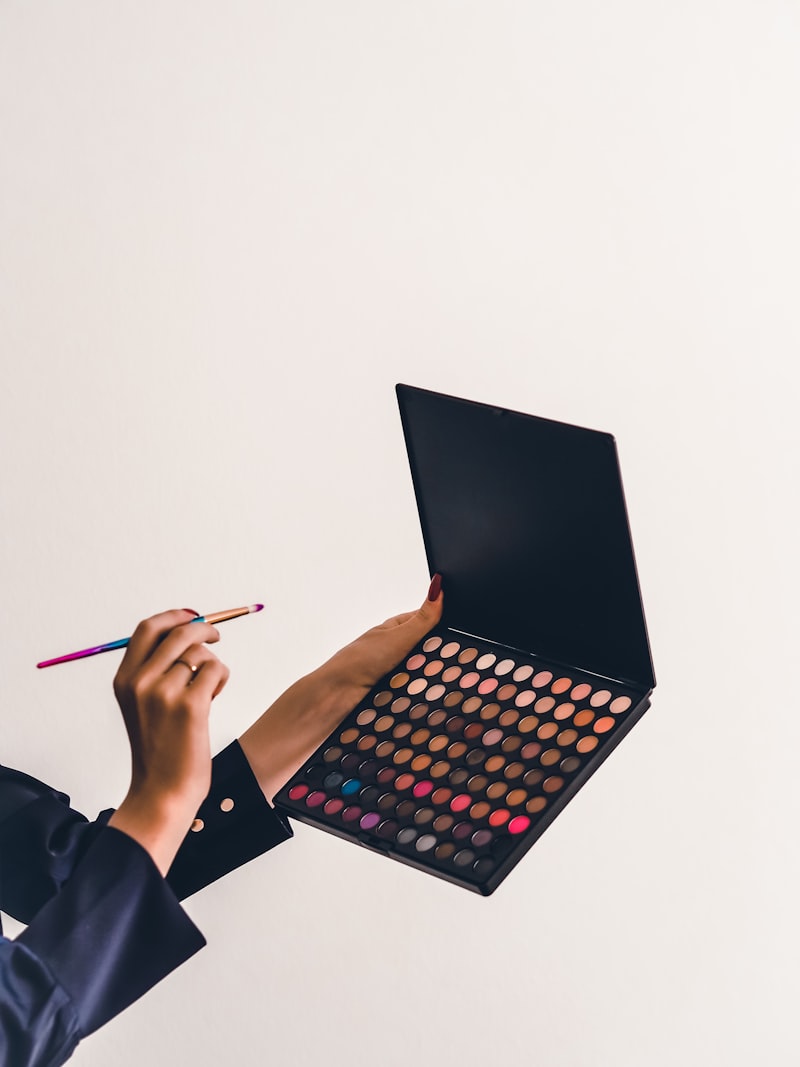
Starting a Makeup Career? Here's What to Know First
A 15+ year professional makeup artist and Master Esthetician shares honest advice on makeup certification, whether it's worth it, and how to actually build a career in the industry.
By Rita Almusa, Licensed Master Esthetician — 20+ years of experience
Introduction
If you’re thinking about turning your love of makeup into an actual career, there’s a lot of conflicting advice out there about whether certification is worth it, whether you need formal training at all, and how people actually succeed in this industry. With over 15 years as a professional makeup artist and Master Esthetician, I want to share honest, practical advice — not just encouragement, but the real considerations that matter before you invest time and money into this path.
Is Makeup Certification Actually Worth It?
This depends heavily on your specific goals. If you want to work in a professional setting — bridal, editorial, on-set, or in a spa or salon environment — formal training gives you a credential that signals real, structured knowledge to potential clients and employers, beyond just a talent for makeup application. If your goal is purely content creation or personal enjoyment, certification matters less than consistent practice and building a visible portfolio of your work. Be honest with yourself about which path you’re actually on before committing.
What a Good Program Should Actually Teach You
Skill application is only part of what a quality makeup program should cover. Look for programs that also teach color theory, sanitation and hygiene practices, working with different skin types and tones, and the business side of the industry — pricing, client communication, and building a portfolio. A program that only teaches trend-driven looks without these fundamentals will leave you underprepared for actual client work. I recently completed the Elite Makeup Program through the Online Makeup Academy specifically because it covers this fuller picture rather than just application technique alone.
Online vs. In-Person Training
Online programs have become a genuinely legitimate path into this industry, especially for people who can’t relocate or take time off for an in-person program. The trade-off is that you need to be more self-directed about getting hands-on practice, since you won’t have an instructor physically correcting your technique in real time the way an in-person program provides. If you go the online route, be intentional about practicing on real faces regularly, not just following along with video demonstrations.
Building a Portfolio Before You Have Clients
One of the biggest early hurdles is the chicken-and-egg problem of needing a portfolio to attract clients, but needing clients to build a portfolio. The solution is to create your own opportunities early on: practice on friends and family, collaborate with local photographers who are also building their own portfolios, and consider offering a limited number of discounted or trade sessions specifically to build a body of work you can show. Every professional in this industry started exactly here.
The Business Skills Nobody Talks About Enough
Technical skill gets you in the door, but pricing your services correctly, communicating clearly with clients about expectations, and managing the logistics of bookings and cancellations are what actually sustain a career long-term. A lot of talented makeup artists struggle not because of their technique, but because they never developed these business fundamentals. If your training program doesn’t cover this, seek it out separately — it’s just as important as application skill.

The Beauty Tips Guide
20+ years as a Licensed Master Esthetician and Makeup Artist, condensed into one guide.
Should You Specialize or Stay Generalist?
Early in a career, staying generalist — comfortable across bridal, everyday, and special occasion work — gives you more opportunities to build experience and figure out what you actually enjoy most. Specializing too early, before you’ve had exposure to different types of work, can close doors you didn’t realize you wanted open. Give yourself time and varied experience before narrowing your focus.
Managing Realistic Expectations About Income
This is worth being direct about: most people don’t start out earning a full-time living purely from makeup artistry, especially in the first year or two. Many successful makeup artists build up gradually, sometimes alongside other work, while building their client base and reputation. Going in with realistic expectations about the timeline to a sustainable income helps you stay motivated through the slower early period rather than getting discouraged and giving up too soon.
Common Mistakes to Avoid
- Choosing a certification program based purely on price or speed, without checking the curriculum. A program that skips business and sanitation fundamentals leaves real gaps.
- Waiting for clients before building a portfolio. Create your own opportunities through friends, family, and collaborations with other creatives.
- Underpricing your services out of fear of losing clients. This makes the business side unsustainable long-term and undervalues your actual skill.
- Specializing too early before experiencing different types of work. Give yourself broader experience before narrowing your focus.
- Expecting full-time income immediately. Most careers in this industry build gradually over time.
Pro Tips
- Research a program’s full curriculum, not just its application-technique content, before enrolling — business and sanitation training matter just as much long-term.
- Start collecting portfolio images from day one, even from practice sessions with friends and family.
- Network with photographers and other beauty professionals early — many opportunities come through these relationships rather than cold client outreach.
- Track your pricing and expenses from the very beginning, so you understand your actual profitability as you grow, not just your gross bookings.
Frequently Asked Questions
Do I need formal certification to work as a makeup artist? Not always, but it can meaningfully help in professional settings that expect a credential, and it fills in fundamentals like sanitation and business skills that are easy to miss learning informally.
How long does it typically take to build a sustainable makeup career? This varies significantly, but most people should expect a gradual multi-year build rather than immediate full-time income, especially while building a client base and portfolio.
Is online makeup certification as legitimate as in-person training? Yes, when the program covers the full range of fundamentals — technique, color theory, sanitation, and business skills — rather than just surface-level application content.
Should I specialize in one type of makeup artistry right away? Generally no — broader early experience across different types of work helps you make a more informed decision about specialization down the line.
Conclusion
A career in makeup artistry is genuinely achievable, but it requires more than raw talent — the right training, a deliberately built portfolio, and real business fundamentals all matter for long-term success. Watch the full video above for more of my honest take on getting started in this industry. If you’re building your technique foundation, The Beauty Tips Guide is a good place to start. ✨
Related Posts

This Fall Makeup Look Works on Everyone: A Get-Ready-With-Me Tutorial
A versatile, easy fall makeup look that flatters every skin tone and eye shape — a full get-ready-with-me tutorial from base to lips.
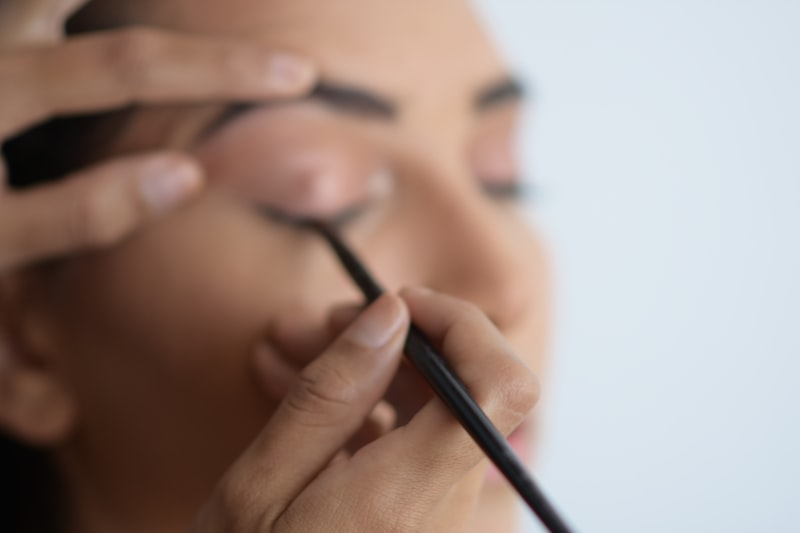
How to Get Perfect Winged Eyeliner Every Time
A step-by-step guide to consistent, symmetrical winged eyeliner — the technique, tool choice, and fixes for the most common mistakes.
Eyeshadow Tutorial for Beginners: How to Create a Soft Fox Eye Look
A beginner-friendly, step-by-step eyeshadow tutorial for the popular fox eye look — blending technique, placement, and the mistakes that ruin it.
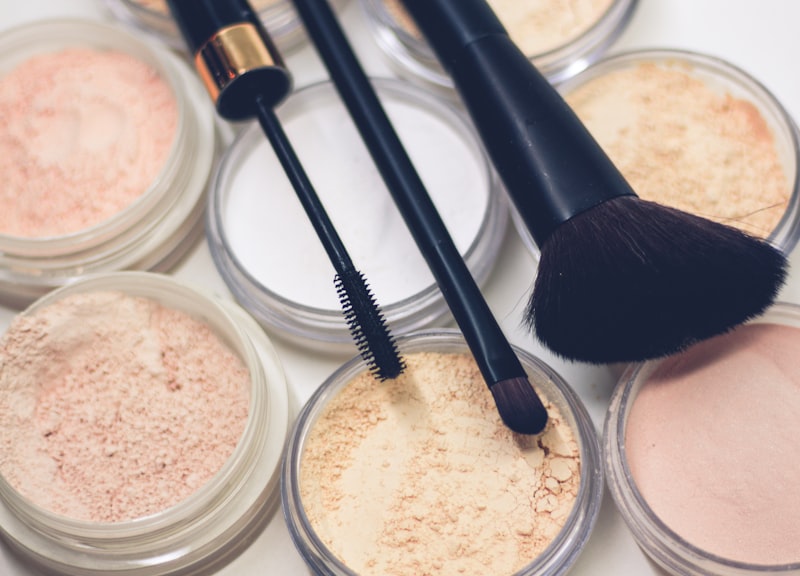
How to Use Setting Powder: The Baking Technique for Flawless, Long-Lasting Makeup
Learn how to set your foundation and concealer with powder, plus the baking technique for makeup that lasts all day without creasing or looking cakey.