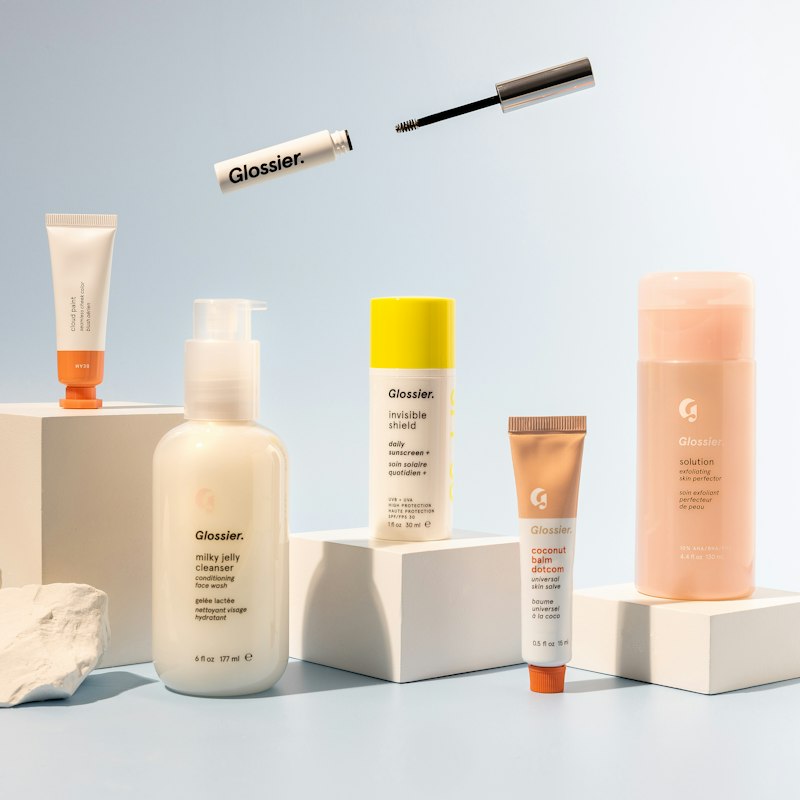
How to Pair Retinol Serum with a Ceramide Moisturizer the Right Way
A Master Esthetician explains how to properly layer a retinol serum with a ceramide-based moisturizer for beginners, minimizing irritation while still getting real results.
By Rita Almusa, Licensed Master Esthetician — 20+ years of experience
Introduction
Retinol is one of the most well-supported anti-aging ingredients in skincare, but it’s also one of the most commonly misused — jumped into too aggressively, without the right supporting products, leading to irritation that turns people off the ingredient entirely. As a Master Esthetician, I want to walk through how to properly pair a retinol serum with a ceramide-based moisturizer, which is one of the smartest, most beginner-friendly ways to get real results without unnecessary irritation.
What Retinol Actually Does
Retinol is a form of vitamin A that works by increasing skin cell turnover and supporting collagen production, which over consistent use is understood to help improve the appearance of fine lines, texture, and some types of discoloration. It’s genuinely one of the better-researched ingredients in skincare, but it’s also a legitimate irritant for a lot of skin, especially when introduced too quickly or at too high a concentration for a beginner.
Why Ceramides Matter So Much Alongside Retinol
Ceramides are lipids that are naturally present in the skin’s barrier and help it retain moisture and defend against irritation. Since retinol can temporarily compromise the skin barrier as skin adjusts to it, pairing it with a ceramide-rich moisturizer helps support and reinforce that barrier at the same time you’re introducing an ingredient that can stress it — this combination genuinely reduces the likelihood of the redness, flaking, and sensitivity that turns a lot of people off retinol early on.
The Correct Order to Apply Both
Cleanse first, let skin dry completely (applying retinol to damp skin can actually increase irritation, since it enhances penetration beyond what’s comfortable for a beginner), apply a pea-sized amount of retinol serum, wait several minutes for it to absorb, then follow with your ceramide moisturizer. This order lets the retinol do its job on clean, dry skin while the moisturizer that follows helps buffer any potential irritation. If you want to see where this fits into a complete evening ritual, my nighttime skincare routine walks through the full sequence step by step.
Starting Slow: The “Sandwich” Approach for Beginners
If you’re brand new to retinol, or have particularly sensitive skin, consider the “sandwich” method: apply moisturizer first, then retinol, then another layer of moisturizer on top. This buffers the retinol’s intensity for your first few uses, letting your skin build tolerance gradually before moving to the standard retinol-then-moisturizer order described above.
How Often to Use Retinol as a Beginner
Start with just two to three nights a week, not nightly, and only increase frequency once your skin has clearly adjusted without irritation. This is one of the most common mistakes beginners make — using it nightly right away because “more is better,” which usually just leads to irritation and a much longer road back to comfortable, consistent use.
Retinol Is a Nighttime-Only Step
Retinol increases photosensitivity, meaning skin becomes more vulnerable to UV damage while using it. This makes it a nighttime-only ingredient, and makes a reliable morning SPF routine absolutely essential anytime retinol is part of your regimen — skipping sun protection while using retinol meaningfully increases your risk of sun damage and can undo any benefit the retinol itself was providing.

The Beauty Tips Guide
20+ years as a Licensed Master Esthetician and Makeup Artist, condensed into one guide.
What to Avoid Combining With Retinol
Avoid layering retinol with other strong actives on the same night, particularly exfoliating acids (like glycolic or salicylic acid) or benzoyl peroxide, since combining multiple strong actives significantly increases irritation risk without a proportional increase in benefit. If your routine includes other actives, consider alternating nights rather than layering everything at once.
Signs You’re Using Retinol Too Aggressively
Persistent redness, flaking, or a burning sensation beyond very mild, temporary tingling are signs you’re either using too much product, too high a concentration, or too frequently for where your skin currently is in its adjustment process. Scale back frequency or concentration rather than pushing through significant irritation, which can actually damage your skin barrier further rather than building tolerance.
Common Mistakes to Avoid
- Starting with nightly use instead of a gradual two-to-three-night schedule. This is the single most common cause of retinol-related irritation.
- Applying retinol to damp skin. This increases penetration beyond what’s comfortable for skin still building tolerance.
- Skipping a ceramide moisturizer or barrier-supporting product. This significantly increases the likelihood of irritation.
- Layering retinol with other strong actives on the same night. Alternate nights instead to avoid compounding irritation risk.
- Skipping SPF the morning after using retinol. Retinol increases sun sensitivity, making consistent SPF use essential.
Pro Tips
- Use the “sandwich” method for your first few weeks if you’re new to retinol or have sensitive skin, to buffer initial irritation.
- Be patient with results — visible improvement in texture and fine lines from consistent retinol use typically takes several months, not days or weeks.
- Increase frequency gradually, only once your skin has clearly adjusted without redness or flaking at your current frequency.
- Always pair nighttime retinol use with consistent morning SPF, non-negotiably, given the increased sun sensitivity it causes.
Frequently Asked Questions
Can I use retinol every night as a beginner? No — start with two to three nights a week and increase gradually only once your skin has clearly adjusted without irritation.
Why do I need a ceramide moisturizer specifically with retinol? Ceramides support the skin barrier, which retinol can temporarily compromise as skin adjusts, meaningfully reducing the redness and flaking that commonly cause people to give up on retinol too early.
Can I use retinol in the morning instead of at night? No — retinol increases photosensitivity, making it a nighttime-only ingredient that should always be paired with consistent morning SPF use.
How long until I see results from retinol? Visible improvement in fine lines, texture, and tone typically takes several months of consistent use, since skin cell turnover is a gradual process.
Conclusion
Retinol delivers real, well-supported results, but pairing it correctly with a ceramide moisturizer and introducing it gradually is what determines whether you get those results comfortably or give up early from irritation. Watch the full video above for more on building this into your own routine. ✨
Related Posts

My Nighttime Skincare Routine: An At-Home Facial Anyone Can Do
A licensed esthetician's full nighttime skincare routine — a step-by-step at-home facial ritual for glowing skin, in the right order.
At-Home Face Waxing: A Master Esthetician's Safety-First Guide
A licensed Master Esthetician's step-by-step guide to safely waxing facial hair at home, including who should avoid it and how to prevent irritation.
How to Remove All Your Makeup Without Drying Out Your Skin
A Master Esthetician explains how to choose and use a gentle cleanser that fully removes makeup without stripping or drying out your skin.
How to Actually Unclog Pores: An Esthetician's Real Routine
A Master Esthetician explains what actually unclogs pores versus what's just marketing, and how to build a genuinely effective pore-clearing routine.