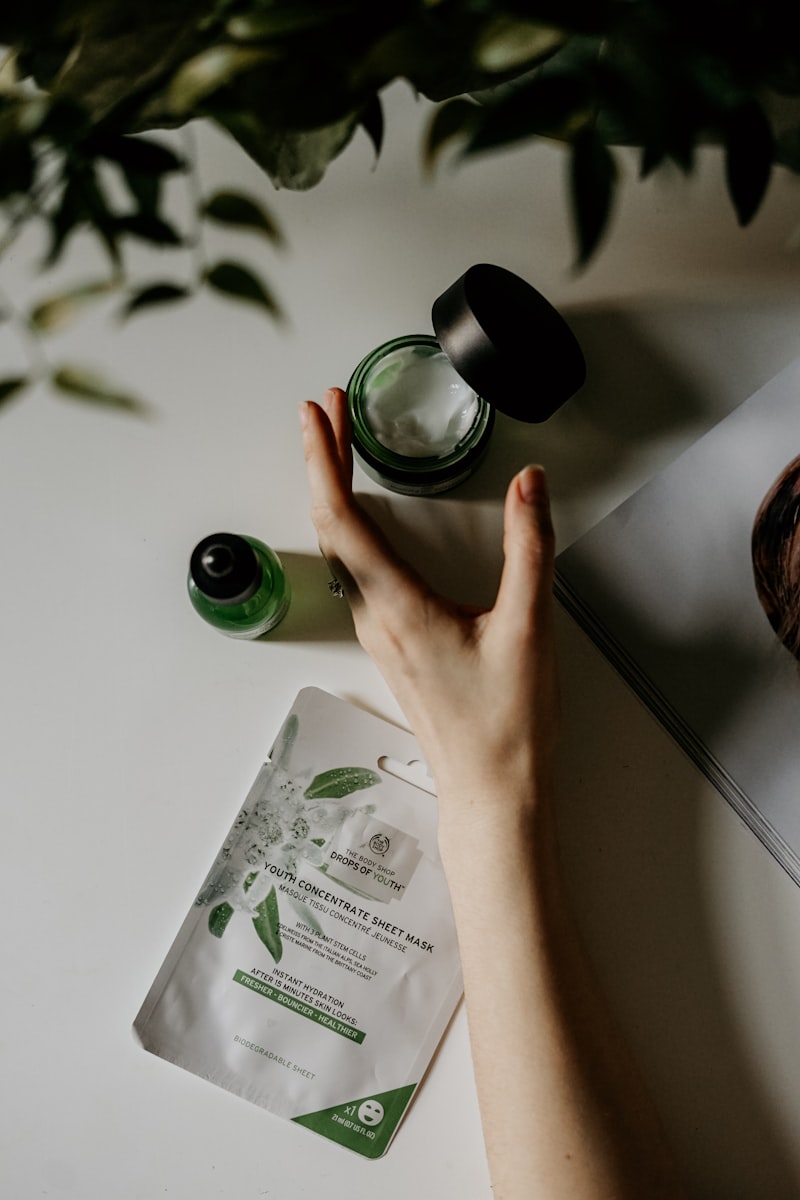
My Nighttime Skincare Routine: An At-Home Facial Anyone Can Do
A licensed esthetician's full nighttime skincare routine — a step-by-step at-home facial ritual for glowing skin, in the right order.
By Rita Almusa, Licensed Master Esthetician — 20+ years of experience
Introduction
A proper nighttime skincare routine doesn’t need to be complicated or expensive to make a real difference — it needs to follow the right order and give your skin what it actually needs while you sleep, which is when a lot of skin repair naturally happens. As a Master Esthetician, this is the at-home facial ritual I actually use myself, broken down step by step so you can build your own version of it.
Why Nighttime Routines Matter More Than Morning Ones
Skin does more of its repair and regeneration work overnight than during the day, when it’s primarily focused on defense against environmental stressors. This is part of why a nighttime routine is worth prioritizing if you only have time or budget for one solid routine — it’s when your skin is most receptive to active, repairing ingredients, without needing to also account for SPF and makeup compatibility.
The Full Routine, Step by Step
1. Double Cleanse if You Wore Makeup or Sunscreen
Start with an oil-based cleanser or micellar water to break down makeup and sunscreen, then follow with your regular water-based cleanser. Skipping this step and going straight to one cleanse often leaves residue behind, which can contribute to clogged pores over time.
2. Exfoliate (2-3 Times a Week, Not Nightly)
Whether you use a physical exfoliator or a chemical one, this step isn’t a nightly habit for most skin types — two to three times a week is generally enough to support cell turnover without over-exfoliating and compromising your skin barrier.
3. Tone
A gentle, alcohol-free toner, like the Fresh Cucumber & Witch Hazel Toner, preps skin and adds a layer of hydration before your treatment products, helping everything that follows absorb more evenly.
4. Apply Treatment Serums
This is where you address your specific concerns — a Vitamin C Serum for brightening and antioxidant support, or other targeted actives depending on what your skin needs. Apply to slightly damp skin and pat in gently rather than rubbing.
5. Layer a Collagen or Firming Serum if Desired
A serum like the MintPear Collagen Serum can go on next, supporting skin’s elasticity and firmness over time with consistent use.
6. Apply Eye Cream
Use your ring finger to gently pat a small amount of eye cream around the orbital bone — the skin here is thinner and more delicate than the rest of your face, so it needs a lighter touch and often a specifically formulated product.
7. Finish With a Rich Night Moisturizer
Seal everything in with a moisturizer, ideally one slightly richer than what you’d use during the day, since overnight is when your skin can most benefit from deeper hydration without needing to also stay lightweight under makeup.
Building This Into a Sustainable Habit
A seven-step routine every single night isn’t realistic for most people long-term, and that’s okay. The core, non-negotiable steps are cleansing, a treatment serum, and moisturizer — everything else (toner, exfoliation, eye cream, a secondary serum) can be added in as time and energy allow on any given night. A simplified three-step version done consistently beats an elaborate seven-step version done sporadically.

The Beauty Tips Guide
20+ years as a Licensed Master Esthetician and Makeup Artist, condensed into one guide.
Adjusting the Routine for Your Skin Type
- Oily or acne-prone skin: Lean toward lighter-weight serums and gel-based moisturizers rather than rich creams, and consider a targeted treatment product on active breakouts as part of your serum step.
- Dry skin: Layer a facial oil after your moisturizer for extra overnight hydration, and consider skipping toner if your skin already feels tight or dehydrated.
- Sensitive skin: Simplify to the core three steps (cleanse, treat, moisturize) and introduce any new product slowly, watching for reactions before adding the next one.
- Combination skin: Consider applying richer products only where you actually need them — lighter formulas on oilier areas, richer ones on drier patches.
Common Mistakes to Avoid
- Exfoliating every night. This is one of the most common causes of a compromised skin barrier and increased sensitivity over time.
- Skipping the double cleanse when wearing makeup or SPF. A single cleanse often isn’t enough to fully remove these, leaving residue behind.
- Applying products in the wrong order. Thinnest to thickest texture is the general rule — serums before creams, treatments before oils.
- Using rich night cream during a hot, humid season without adjusting. Your routine can and should flex somewhat with the seasons and how your skin is behaving.
Turning It Into an Actual Ritual, Not Just a Chore
The difference between a routine you stick with and one you abandon after a few weeks often comes down to how it feels, not just what’s in it. Dim the lights, put your phone away, and treat the ten or so minutes as genuinely restorative rather than a rushed final task before bed. Small sensory details — a product with a scent you enjoy, the cool feeling of a serum, the ritual of gently patting rather than rubbing — make a routine something you look forward to rather than something you’re trying to get through quickly.
Pro Tips
- Give each layer a moment to absorb before applying the next, rather than piling everything on back to back.
- Keep your routine in the same order every night — consistency helps you notice what’s actually working or not working over time.
- Don’t introduce more than one new product at a time, so you can identify the source if your skin reacts to something new.
- Adjust richness seasonally — lighter formulas in warm weather, richer ones in cold, dry months.
Frequently Asked Questions
How long should a full nighttime routine actually take? Once you’re familiar with your steps, 10-15 minutes is typical for a full routine, including time for products to absorb between layers.
Can I do this same routine every single night without adjustment? Mostly yes, with the exception of exfoliation, which should stay at 2-3 times a week rather than nightly for most skin types.
Is it bad to skip my nighttime routine occasionally? No — consistency over time matters far more than perfect nightly execution. An occasional missed night, especially cleansing at minimum, won’t undo your overall routine’s benefits.
Should my nighttime routine be different from my morning one? Yes, generally — mornings should prioritize antioxidant protection and SPF, while nights are better suited to treatment actives and richer, repair-focused products, since you’re not layering under makeup or sun exposure.
Do I need to change my routine as the seasons change? Often, yes — many people need lighter formulas in humid summer months and richer, more occlusive products in dry winter conditions. Pay attention to how your skin is behaving rather than sticking rigidly to one routine year-round.
Conclusion
A good nighttime routine doesn’t need to be elaborate to be effective — it needs the right core steps, in the right order, done consistently. Watch the full video above to see this exact routine in action, and feel free to build your own simplified version around the non-negotiable steps: cleanse, treat, moisturize. I break down routines like this one in even more depth in The Beauty Tips Guide. ✨
Related Posts
At-Home Face Waxing: A Master Esthetician's Safety-First Guide
A licensed Master Esthetician's step-by-step guide to safely waxing facial hair at home, including who should avoid it and how to prevent irritation.
How to Remove All Your Makeup Without Drying Out Your Skin
A Master Esthetician explains how to choose and use a gentle cleanser that fully removes makeup without stripping or drying out your skin.
How to Actually Unclog Pores: An Esthetician's Real Routine
A Master Esthetician explains what actually unclogs pores versus what's just marketing, and how to build a genuinely effective pore-clearing routine.
My Secret Weapon for Blackheads: Oil Cleansing
A Master Esthetician explains why oil cleansing is genuinely effective against blackheads, and how to do it correctly for real results.