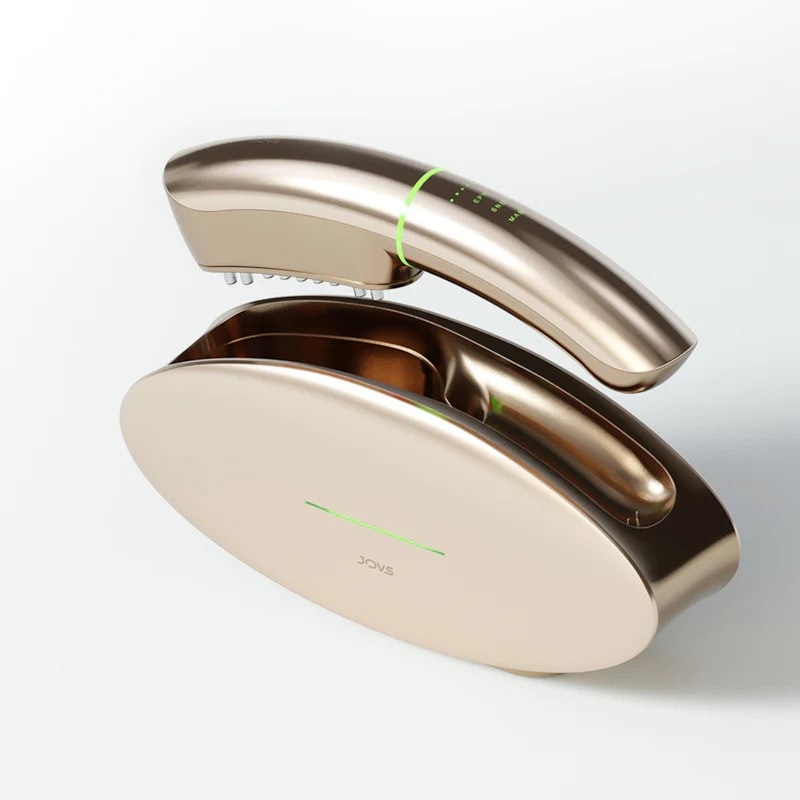
Do Microcurrent Facial Devices Actually Work? An Esthetician's Honest Take
A licensed esthetician breaks down how microcurrent facial devices actually work, what's realistic marketing vs. hype, and what results to expect.
By Rita Almusa, Licensed Master Esthetician — 20+ years of experience
Introduction
Microcurrent facial devices have become one of the most heavily marketed categories in at-home skincare tech, often bundled with red light therapy, “ion-powered absorption,” and bold claims about immediate, dramatic tightening. As a Master Esthetician, I want to separate what microcurrent technology genuinely does from the marketing language that surrounds a lot of these devices, so you can set realistic expectations before buying one.
What Microcurrent Technology Actually Does
Microcurrent devices deliver a very low-level electrical current to the skin and underlying facial muscles. This is understood to provide a gentle, temporary toning stimulation to the muscles, similar in concept to how electrical muscle stimulation works on the body, just at a much lower intensity appropriate for the face. Many devices on the market also combine this with a separate light therapy function (often red and/or green LED), which works through an entirely different mechanism — light wavelengths rather than electrical current.
Reading Past the Marketing Language
A lot of devices in this category are marketed with language like “triple energy renewal,” specific multiplier claims about “deeper delivery,” or promises of “immediate” contour resetting. I’d encourage genuine skepticism toward highly specific, dramatic performance claims like these unless they’re backed by independent, published research rather than just the manufacturer’s own marketing copy. That doesn’t mean the underlying technology (microcurrent, LED light, ionic product delivery) is fake — these are real, studied technologies — but the degree of benefit claimed in aggressive marketing copy often outpaces what’s realistically demonstrated for a given specific device.
What Results Are Actually Realistic
Consistent, correct use of a microcurrent device may provide a temporary, subtle toning and lifted sensation immediately after a session — similar in some ways to the temporary effect you’d get from a facial massage tool, though through a different mechanism. Any longer-term firming benefit from repeated use over weeks is generally modest and gradual, not a dramatic, visible transformation. If a product’s before-and-after marketing looks dramatically different in a short window, that’s worth extra scrutiny rather than taking at face value.
How to Use a Microcurrent Device Safely
1. Cleanse Skin Thoroughly First
Remove all makeup and skincare residue — the device needs clean, direct skin contact to function as intended.
2. Use a Conductive Gel or Serum
Most microcurrent devices require a conductive layer between the device and your skin, both for the device to function and for comfort during use.
3. Start on the Lowest Intensity Setting
Especially for your first several uses, start low and only increase intensity if you’re comfortable and not experiencing any irritation or discomfort.
4. Follow the Manufacturer’s Session Length
Stick to the recommended session time rather than assuming a longer session produces proportionally better results.
5. Avoid Use Over Broken or Irritated Skin
Skip any areas with active breakouts, cuts, or irritation, and always follow your specific device’s guidance on areas to avoid.
Microcurrent vs. Other At-Home Facial Devices
It’s easy for these categories to blur together in marketing, so a quick comparison: microcurrent stimulates muscle tone via electrical current; RF (radiofrequency) uses heat to target the skin’s structural layer; LED light therapy uses specific light wavelengths without heat or electrical current; and mechanical massagers work purely through motion and pressure. Many newer devices, including the one referenced in this video, combine several of these technologies into one tool, which is why understanding each mechanism separately helps you evaluate what a combination device is actually claiming to do.

The Beauty Tips Guide
20+ years as a Licensed Master Esthetician and Makeup Artist, condensed into one guide.
Who Should Avoid Microcurrent Devices
Anyone with a pacemaker or other implanted electronic medical device should not use microcurrent devices, given the electrical current involved. Pregnant individuals and anyone with epilepsy or certain other neurological conditions should consult a doctor before use. This is genuinely important safety information, not just standard fine print — always check with a healthcare provider if you have any relevant medical history before trying this category of device.
How to Evaluate a Specific Device Before Buying
Rather than being swayed purely by marketing language, look for a few concrete signals: whether the device has any independent, published research behind its specific technology (not just internal company studies), whether the marketing describes a plausible mechanism versus vague buzzwords, and whether the claims scale with what similar, well-established devices in the category typically claim. A device promising dramatically more than its established competitors, without correspondingly stronger evidence, deserves extra scrutiny.
Common Mistakes to Avoid
- Believing dramatic before-and-after marketing at face value. Look for independent verification, not just manufacturer claims, when evaluating any specific device.
- Skipping the conductive gel or serum. This isn’t optional — most devices need it to function properly and comfortably.
- Using it inconsistently and expecting cumulative results. Like most skincare technology, any real benefit depends on regular, consistent use over time.
- Ignoring safety contraindications like pacemakers or certain medical conditions.
Pro Tips
- Research the specific technology in a device, not just the marketing name, before buying — understanding whether it’s primarily microcurrent, LED, or a combination helps you evaluate realistic claims.
- Pair it with a hydrating serum for the conductive layer, getting a skincare benefit alongside the device’s function.
- Track any changes with consistent photos over weeks, since any real effect from this category of device is gradual and easy to miss day to day.
- Consult a professional if you have any relevant medical conditions before adding any electrical device to your routine.
Frequently Asked Questions
Is microcurrent the same as radiofrequency (RF)? No — RF uses heat to target the skin’s deeper structural layer, while microcurrent uses low-level electrical current primarily to stimulate muscle tone. They’re different mechanisms sometimes marketed together in combination devices.
How long before I might notice any effect? Any immediate toning sensation is typically noticeable right after a session but temporary. Longer-term, gradual effects from consistent use, if any, generally take several weeks of regular sessions to become apparent.
Are professional microcurrent facials more effective than at-home devices? Professional-grade devices generally use higher, more precisely calibrated current levels under a trained provider’s supervision, which is part of why in-office treatments and at-home devices shouldn’t be expected to produce identical results.
Do microcurrent devices hurt to use? No — the current used in facial devices is very low intensity and typically feels like a mild tingling sensation at most, not pain. Any genuine discomfort is a signal to lower the intensity or stop use.
Can I use a microcurrent device every day? Check your specific device’s guidance, but many are designed for a few sessions per week rather than daily use. More frequent use doesn’t reliably improve results and can increase skin sensitivity over time.
Conclusion
Microcurrent technology is real and reasonably well-studied, but the marketing around specific consumer devices often promises more than the underlying technology reliably delivers on its own. Approach dramatic claims with healthy skepticism, prioritize safety guidelines seriously, and treat any device in this category as a gentle, gradual addition to your routine rather than an instant-fix tool. ✨
Related Posts

I Tried a Vibrating Facial Cleansing Wand — Here's My Honest Review
An esthetician's honest review of vibrating facial cleansing wands — how they actually help your routine, and how to use one correctly.
I Tried the Medicube AGE R Booster: Does This Viral Skincare Device Work?
An esthetician's honest review of the Medicube AGE R Booster — how electroporation skincare devices work and whether the viral K-beauty tool lives up to the hype.

Is At-Home IPL Hair Removal Safe? An Honest Ulike Air 10 Review
An esthetician's honest review of at-home IPL hair removal with the Ulike Air 10 — how it works, who it's safe for, and what results to realistically expect.

Does a Facial Massager Really Lift Your Skin? Testing the Vraiko Lilac 7-in-1
An honest esthetician review of the Vraiko Lilac 7-in-1 facial massager — how mechanical facial massage works and what kind of results to actually expect.