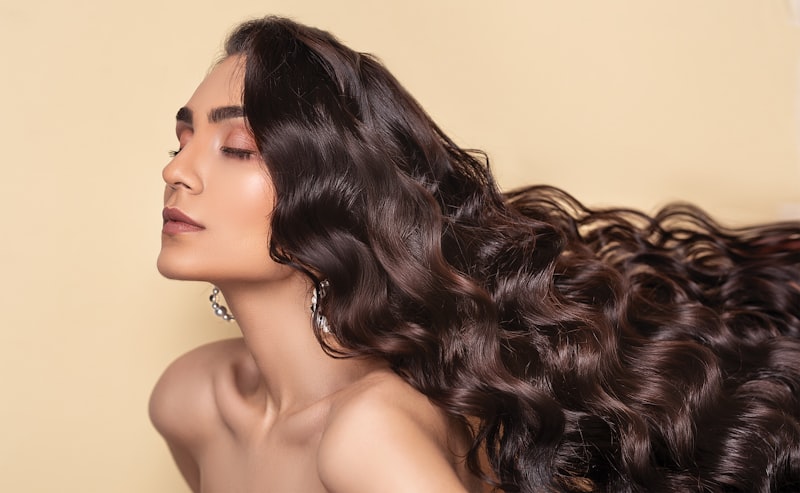
Hair Shedding and Thinning: My Honest, Personal Scalp Care Routine
A Master Esthetician shares a personal, experience-based scalp care routine for hair shedding and thinning — not medical advice, with guidance to consult a doctor first.
An Important Note Before We Start
Hair loss, shedding, and thinning can have many different causes — stress, hormonal changes, nutritional gaps, genetics, postpartum changes, certain medications, and underlying medical conditions all can play a role, sometimes in combination. This post shares my own personal, individual experience with a scalp care routine — it is not medical advice, and it is not a diagnosis or treatment recommendation for anyone else’s hair loss. If you’re experiencing hair thinning or shedding, please see a dermatologist or your doctor first. They can identify the actual underlying cause in your specific case and recommend an appropriate, medically appropriate treatment plan, which may or may not resemble what I share here.
A Note on Minoxidil Specifically
Minoxidil is an FDA-approved, over-the-counter medication for certain types of hair loss, and it’s a genuinely different category of product from the cosmetic scalp serum I’m sharing my experience with below. I am not a doctor, and nothing here should be read as guidance on whether to start, stop, or combine minoxidil with anything else. If you’re currently using minoxidil, or considering it, that’s a conversation to have directly with a dermatologist or your prescribing doctor — they can advise on what’s appropriate and safe for your specific situation.
Why Scalp Health Matters as a Foundation
As a Master Esthetician, my focus is scalp and skin health broadly, not diagnosing or treating hair loss medically. A healthy scalp environment — good circulation, minimal irritation, a balanced microbiome — is generally understood to support the conditions hair needs to grow, though scalp care alone isn’t a substitute for addressing an underlying medical cause if one exists.
What I Personally Tried: A Cosmetic Scalp Serum
I tested the Dorpang Hair Growth Scalp Serum, a cosmetic scalp product containing ingredients like Capixyl, AnaGain, biotin, rosemary, and mint — none of which are the same as minoxidil, and this product should not be confused with or substituted for an FDA-regulated hair loss medication. I want to be clear that “clinically tested” claims from any specific brand reflect that company’s own testing, not independent, peer-reviewed research verifying the same efficacy standards required of an approved drug like minoxidil.
What I Personally Noticed With Consistent Use
In my own experience, over consistent use, I noticed what felt like less daily shedding, hair that felt stronger, and reduced scalp itching — I want to be fully transparent that this is a personal, individual, and subjective account, not a clinical result, and hair-related changes are genuinely hard to measure accurately without professional evaluation. Your experience, if you try a similar product, may be completely different, and that’s normal.
Why Individual Results Vary So Much With Hair
Hair growth and shedding are influenced by so many overlapping factors — genetics, hormones, stress, nutrition, season, and underlying health — that isolating the effect of any single product, cosmetic or medical, is genuinely difficult even for the person using it. This is exactly why a real diagnosis from a professional matters more than any single product review, including this one.
Supporting Overall Health, Not Just Topical Products
Hair health is also connected to overall nutritional status, which is part of why I’ve also incorporated a daily multivitamin, GRUNS, into my broader wellness routine — not as a hair loss treatment, but as general nutritional support. If you suspect a nutritional deficiency might be contributing to hair changes you’re experiencing, that’s genuinely worth discussing with a doctor, who can test for and confirm an actual deficiency rather than guessing.

The Beauty Tips Guide
20+ years as a Licensed Master Esthetician and Makeup Artist, condensed into one guide.
What a Scalp Serum Realistically Can and Can’t Do
A cosmetic scalp serum, even one with a thoughtful ingredient list, is generally understood to support scalp comfort and a healthier growth environment — it is not a substitute for a diagnosed treatment plan if your hair loss has a specific underlying medical cause like a thyroid condition, hormonal imbalance, or genetic pattern hair loss, all of which require actual medical evaluation and, often, medical treatment to properly address.
How I Use a Scalp Serum, If You Choose to Try One
Apply to a clean scalp, following the specific product’s guidance on frequency and amount, and give any scalp product genuine weeks to months before evaluating whether it’s making a difference, since hair growth cycles are naturally slow. Discontinue and consult a professional if you notice any scalp irritation, increased shedding, or other unexpected reactions.
When to See a Doctor, Not Just Try a Product
If you’re experiencing sudden, significant, or patchy hair loss, hair loss accompanied by scalp pain, redness, or scaling, or shedding that feels dramatically different from your normal pattern, these are signs to see a dermatologist promptly rather than trying cosmetic products first — some causes of hair loss are time-sensitive to treat effectively, and self-treating with cosmetic products alone could mean delaying an appropriate medical diagnosis.
Common Mistakes to Avoid
- Treating any single product review, including this one, as a substitute for a dermatologist’s evaluation. Hair loss has many possible causes that require professional diagnosis.
- Assuming a cosmetic scalp serum is equivalent to or a replacement for an FDA-approved treatment like minoxidil. These are different categories of product with different evidence standards.
- Delaying medical evaluation for sudden or significant hair loss. Some underlying causes are time-sensitive to treat effectively.
- Expecting the same personal results I describe. Individual experience with any hair or scalp product varies enormously based on the underlying cause.
Pro Tips
- See a dermatologist first if you’re experiencing new or significant hair changes, before trying products on your own.
- Give any scalp product genuine months, not days, before evaluating its effect, since hair growth cycles are naturally slow.
- Support overall nutrition as part of a broader routine, but confirm any suspected deficiency with a doctor rather than guessing.
- Discontinue and consult a professional if you notice scalp irritation or any unexpected reaction to a new product.
Frequently Asked Questions
Is this scalp serum the same as minoxidil? No — it’s a cosmetic product with a different ingredient profile and a different evidence standard than an FDA-approved medication like minoxidil. They shouldn’t be considered interchangeable or equivalent.
Can a scalp serum alone fix hair loss? It may support scalp comfort and a healthier growth environment, but it isn’t a substitute for medical evaluation and treatment if your hair loss has an underlying medical cause — a dermatologist can help identify that.
Should I see a doctor before trying any hair loss product, cosmetic or otherwise? Yes, especially for new, sudden, significant, or patchy hair loss — a professional can identify the actual cause, which matters for finding an appropriate and effective approach.
Will I get the same results you describe in this post? Not necessarily — this reflects my own personal, individual experience, and hair-related results vary enormously based on the specific underlying cause and individual factors.
Conclusion
This post reflects my own personal, non-medical experience with a cosmetic scalp routine — for actual hair loss concerns, please see a dermatologist or your doctor first, since they can identify the real underlying cause and recommend a treatment plan appropriate for your specific situation. Watch the full video above for more of my personal experience. ✨
Related Posts
How to Get Heat-Free Waves: Bouncy Soft Curls With No Heat Damage
A step-by-step guide to genuinely heat-free curls — soft, bouncy waves using rollers and technique alone, no curling iron required.
Half-Up Waterfall Ponytail Hairstyle That Actually Works
A step-by-step tutorial for a half-up waterfall ponytail — no extensions needed, just the technique that makes it look effortlessly full.
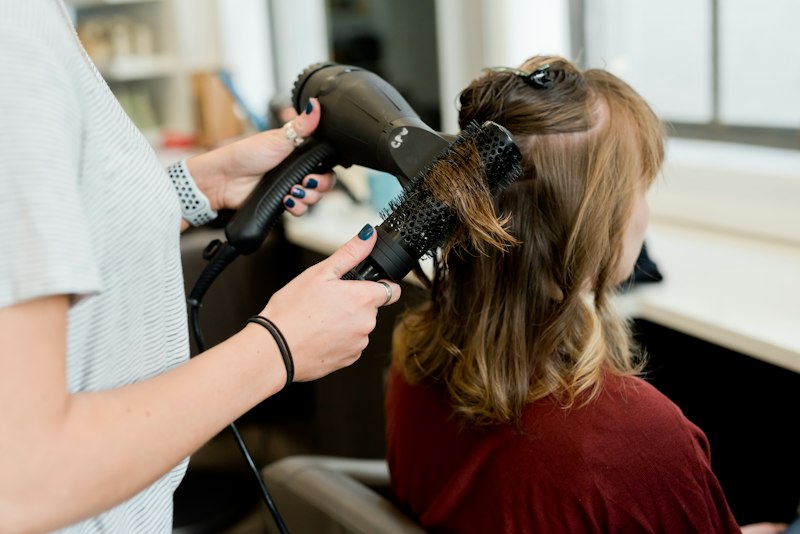
How to Use a One-Step Hair Dryer Brush for a Salon Blowout at Home
A step-by-step guide to using a one-step hot air brush for a smooth, voluminous salon-style blowout at home, plus how to choose the right one.
How to Curl Your Hair with a Flat Iron: Soft Beach Waves for Short to Medium Hair
Get soft, undone beach waves using just a flat iron — a full technique breakdown for short to medium hair, no curling iron required.