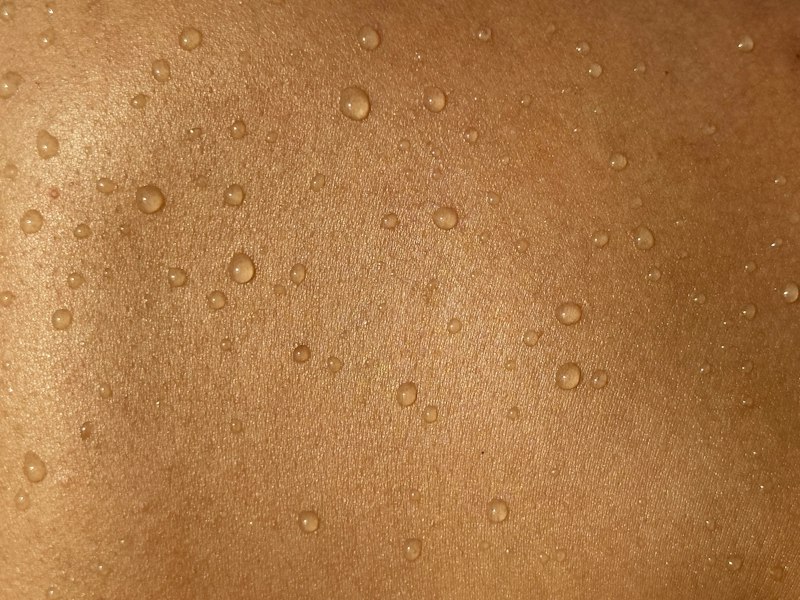
Get Flawless, Glowing Skin Without Highlighter
A Master Esthetician busts the highlighter myth for textured skin, and shares how to achieve a genuinely radiant, glowy finish without it.
Introduction
Highlighter is often treated as an essential step for a glowy, radiant makeup look, but for skin with visible texture — pores, fine lines, or general unevenness — it can actually work against you rather than for you. As a Master Esthetician, I want to bust this myth and share how to achieve genuine, believable radiance without relying on highlighter at all.
Why Highlighter Can Backfire on Textured Skin
Highlighter works by reflecting light, which is exactly the problem for textured skin — reflective particles sitting on top of pores, fine lines, or uneven texture actually emphasize those areas rather than disguising them, catching and scattering light in a way that draws attention to exactly what you’re trying to minimize. This isn’t a flaw in any specific highlighter formula; it’s simply how reflective particles interact with texture.
The Real Source of Glow: Skin Prep, Not Products
Genuine, believable radiance starts well before any makeup goes on. Well-hydrated, properly exfoliated skin reflects light more evenly and naturally than dehydrated or flaky skin ever will, regardless of what products go on top afterward. If your skin prep isn’t solid, no amount of product layered on top will create truly convincing glow.
Choosing a Foundation Finish That Does the Work For You
A satin or dewy-finish foundation, rather than a fully matte one, already contains some light-reflecting quality built into the formula itself, spread evenly across the skin rather than concentrated in specific highlight points the way a separate highlighter product is. This gives an overall luminous quality without the risk of emphasizing specific textured areas.
Cream Blush as a Glow Substitute
Cream blush, blended well into the skin, adds a natural, healthy-looking flush that reads as radiance without any reflective shimmer particles at all. This is a genuinely underrated substitute for highlighter specifically for textured skin, since it adds color and life to the face without any risk of emphasizing texture.
Setting Strategically, Not Uniformly
Rather than setting the entire face evenly with powder, set only where you actually need oil control — typically the T-zone — and leave other areas, like the cheeks, slightly less powdered. This creates a natural-looking luminosity in the areas that would otherwise catch light anyway, without needing a separate reflective product.
If You Do Want Some Shimmer, Use It Sparingly and Strategically
If you’re not ready to give up highlighter entirely, apply an extremely small amount only to areas with minimal texture — often the very top of the cheekbone, away from areas with more visible pores or fine lines. A tiny, strategic amount reads very differently than a heavier, broader application.

The Beauty Tips Guide
20+ years as a Licensed Master Esthetician and Makeup Artist, condensed into one guide.
Building Genuine Radiance Into Your Skincare Routine
Consistent, gentle exfoliation and proper hydration over time genuinely improve how skin reflects light on its own, reducing your reliance on any product — highlighter included — to fake that effect. This is a longer-term investment, but it’s the difference between makeup that creates the appearance of glow and skin that has real, believable radiance underneath.
Common Mistakes to Avoid
- Applying highlighter broadly across textured areas. This emphasizes exactly what you’re trying to minimize.
- Skipping proper skin prep and relying entirely on products for glow. Well-hydrated, exfoliated skin is the actual foundation of believable radiance.
- Choosing a fully matte foundation and hoping highlighter alone creates glow. A satin or dewy finish spreads luminosity more evenly and naturally.
- Setting the entire face uniformly with powder. This flattens natural glow in areas that don’t need mattifying.
Pro Tips
- Prioritize skin prep — hydration and gentle exfoliation — over any specific highlighting product.
- Try a satin or dewy foundation finish if you want built-in luminosity without a separate reflective product.
- Use cream blush as a glow substitute for a natural flush without shimmer particles that could emphasize texture.
- If using highlighter, apply a tiny amount only to areas with minimal visible texture.
Frequently Asked Questions
Does highlighter always look bad on textured skin? Not always, but broad or heavy application tends to emphasize texture. A very small, strategic amount in areas with minimal texture can still work well.
What’s the best alternative to highlighter for a glowy look? A satin or dewy-finish foundation combined with well-hydrated, properly exfoliated skin creates genuine, even radiance without relying on a separate reflective product.
Can cream blush really substitute for highlighter? Yes — cream blush blended into the skin adds a natural, healthy flush that reads as radiance without any shimmer particles that could catch on texture.
How long does it take skincare changes to actually improve how skin reflects light? This varies by individual, but consistent hydration and gentle exfoliation over several weeks generally produces a noticeable improvement in how evenly skin reflects light.
Conclusion
Genuine, believable glow comes from skin prep and smart product choices, not necessarily from highlighter — especially for skin with visible texture. Watch the full video above for more on this approach. ✨
Related Posts
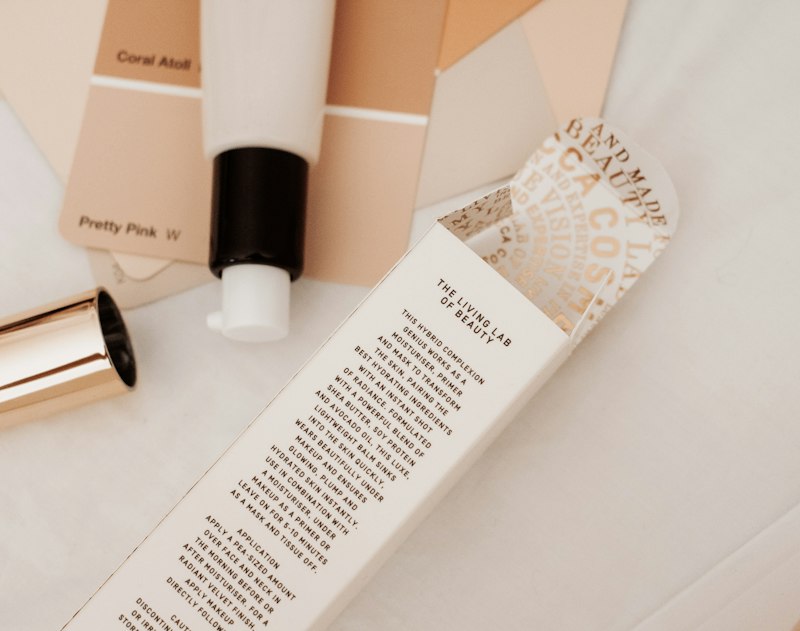
The Best Hydrating Foundation for Mature or Dry Skin
A Master Esthetician explains what to look for in a hydrating foundation for mature or dry skin, and how to apply it for a natural, flawless finish.
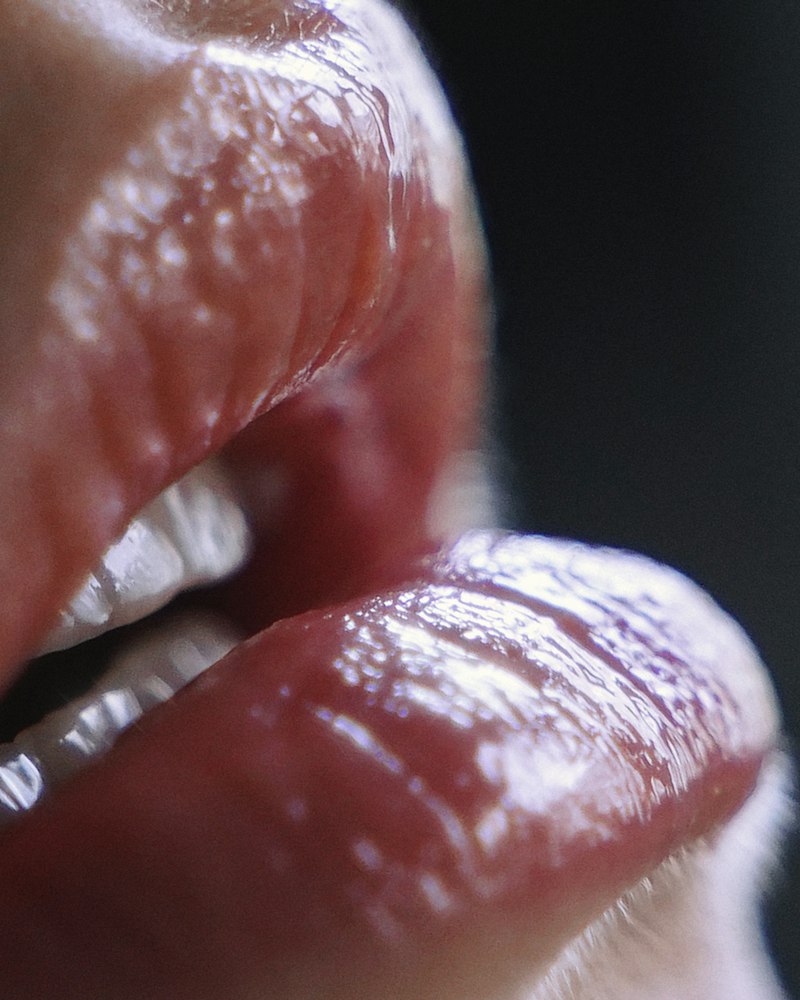
How to Wear Matte Lipstick Without Dry, Flaky Lips
A Master Esthetician's hydration hack for wearing matte lipstick comfortably, even with naturally dry lips, without sacrificing the finish.
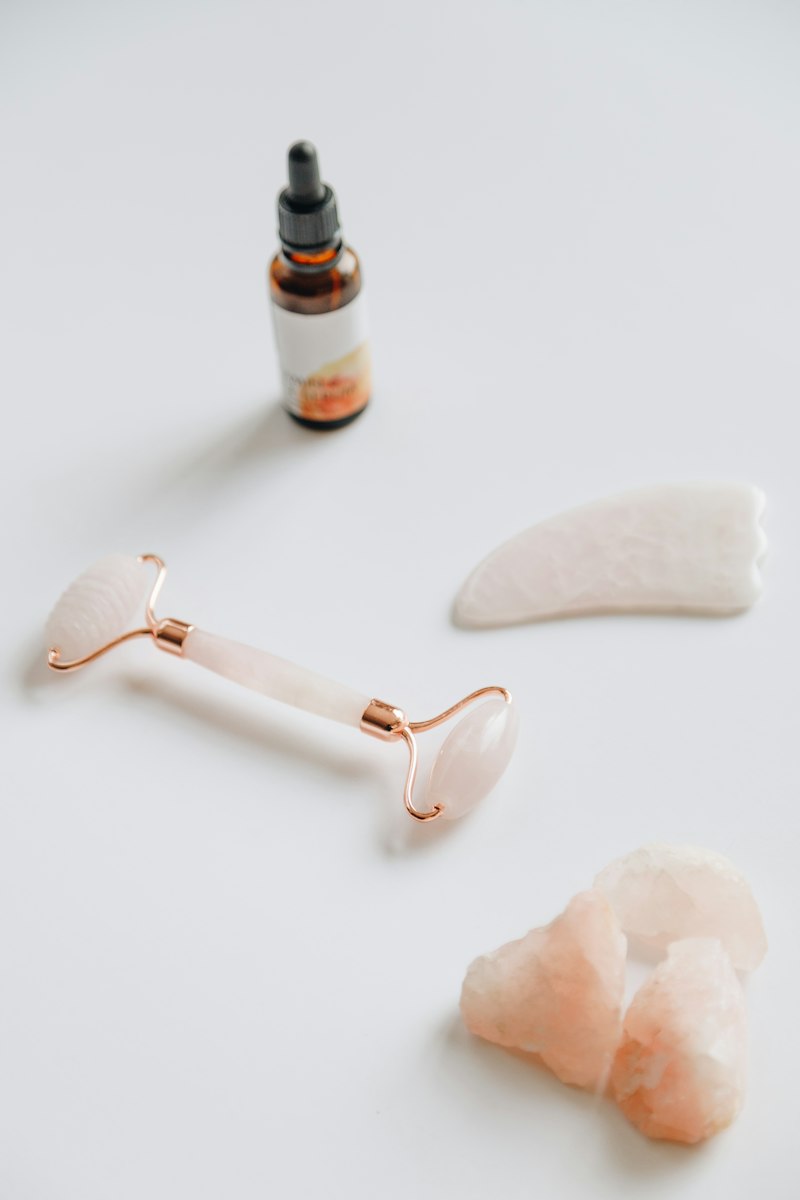
Your Makeup Is Only as Good as Your Skincare
A Master Esthetician explains why skincare, not makeup technique alone, is the real foundation of a flawless-looking base — and how to prioritize it.
Makeup Primers That Actually Prevent Clogged Pores
A Master Esthetician explains how to choose a makeup primer that won't clog pores, what ingredients to watch for, and how to apply it correctly.