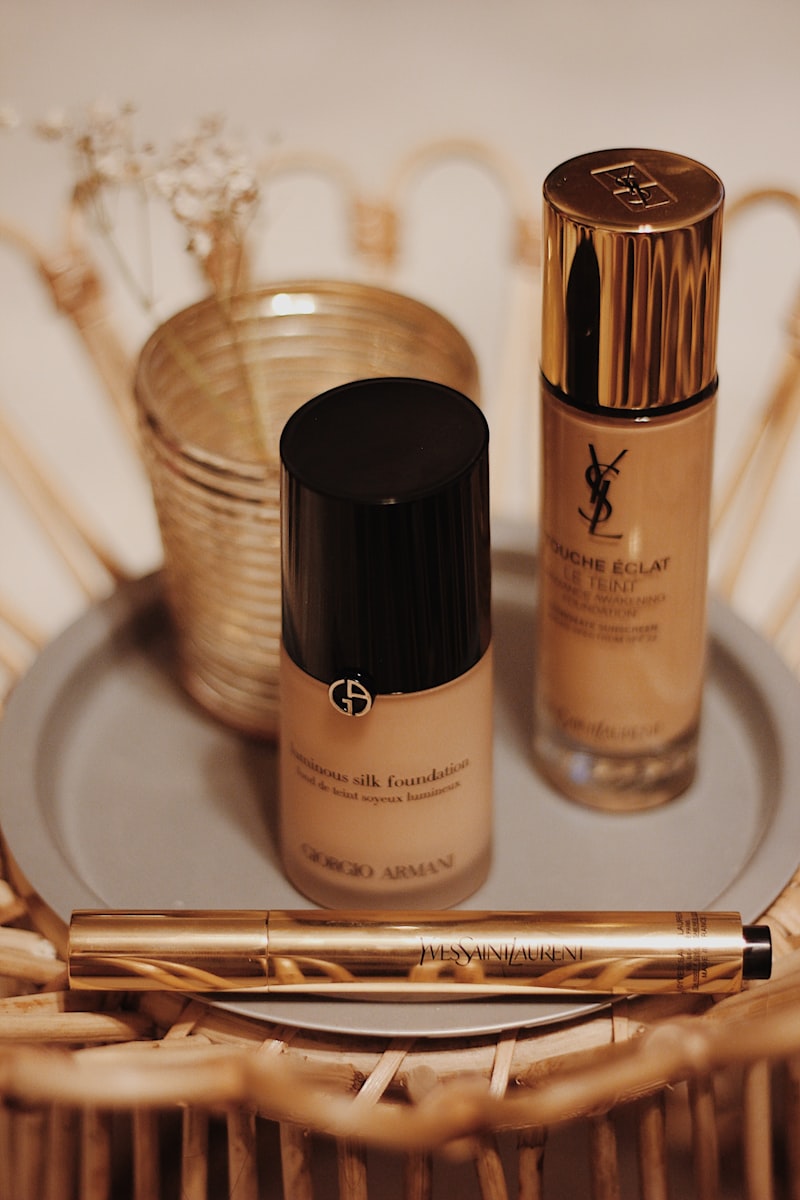
This Concealer Technique Stops Under-Eye Creasing for Good
A Certified Makeup Artist's daily technique for applying concealer without creasing, for smooth, long-lasting under-eye coverage that actually holds up.
By Rita Almusa, Licensed Master Esthetician — 20+ years of experience
Introduction
Under-eye concealer creasing is one of the most common makeup frustrations I hear about, and it’s almost always fixable with the right technique rather than requiring a completely different product. As a Certified Makeup Artist, I want to walk through the exact daily technique I use to stop creasing for good, along with the product choices that make the biggest difference.
Why Concealer Actually Creases
Creasing happens when concealer sits in the fine lines and natural creases under the eye rather than sitting evenly on the skin’s surface, and it’s made worse by dehydrated skin underneath, too much product applied at once, or insufficient setting. Understanding the actual cause matters, since it points directly to the fix — proper hydration, the right amount of product, and correct setting technique.
Start With Genuine Hydration, Not Just Concealer
Well-hydrated under-eye skin is significantly less prone to creasing than dry, dehydrated skin, since concealer has less texture and fine lines to settle into. I always apply a dedicated eye cream and give it several minutes to fully absorb before starting concealer — skipping this step or rushing it is one of the most common reasons concealer creases even with good technique otherwise.
Choosing a Formula That Resists Creasing
Not all concealer formulas are equally prone to creasing. A well-formulated, hydrating concealer like Hourglass Concealer tends to sit more smoothly and resist settling into fine lines compared to a heavier, drier formula, which matters especially for anyone with naturally more visible under-eye texture.
Apply Less Than You Think You Need
This is one of the biggest technique fixes: apply concealer in a thin, triangular shape under the eye rather than a thick dot, and build up only if genuinely needed rather than starting with a heavy amount. Excess product is one of the most common, avoidable causes of creasing, since there’s simply more product available to settle into fine lines as the day goes on.
Set With a Light Hand, Using the Right Brush
Press, don’t sweep, a very light dusting of translucent powder specifically under the eyes to set concealer in place, using a small, precise brush from a set like the Face Essential Makeup Brush Trio Set rather than a large, fluffy powder brush meant for the rest of the face. Sweeping motion here can actually drag concealer into creases rather than setting it in place.
The “Baking” Technique for Extra-Long Wear
For extended wear, apply a slightly heavier layer of translucent powder under the eyes and let it sit for several minutes while you complete the rest of your makeup, then dust away the excess. This “baking” technique locks concealer in place more thoroughly than a quick, light powder dusting alone, though it’s not necessary for everyday wear if creasing isn’t a major concern for you. I go into the full method, including timing and product choice, in my guide to setting powder and baking.

The Beauty Tips Guide
20+ years as a Licensed Master Esthetician and Makeup Artist, condensed into one guide.
Touching Up Without Making Creasing Worse
If concealer does start to crease later in the day, resist the urge to simply add more concealer on top, which usually makes creasing worse rather than better. Instead, gently pat the area with a clean finger or sponge to blend the existing product back into place, and only add a very small amount of fresh product if genuinely needed.
Building This Into a Daily Habit
Consistency in technique matters more than any single product swap — the combination of proper hydration first, a thin, correctly-shaped application, and light, precise setting is what actually prevents creasing day after day, regardless of which specific concealer formula you’re using.
Common Mistakes to Avoid
- Skipping eye cream before concealer application. Dehydrated skin is significantly more prone to creasing.
- Applying a thick, heavy amount of concealer at once. More product means more available to settle into fine lines.
- Sweeping powder to set concealer instead of pressing it on. Sweeping can drag concealer into creases rather than locking it in place.
- Adding more concealer on top when creasing appears later in the day. This typically makes creasing worse — pat and blend existing product instead.
- Using a large, fluffy brush for a precise, small-area setting step. A smaller, more precise brush gives better control under the eyes specifically.
Pro Tips
- Apply eye cream first and let it fully absorb before starting concealer — this single step prevents a significant amount of creasing.
- Use a thin, triangular concealer shape rather than a thick dot, building up only if genuinely needed.
- Press, don’t sweep, setting powder under the eyes using a small, precise brush for the most effective, creasing-resistant set.
- Carry a small sponge for midday touch-ups to pat, rather than add more product to, any concealer that starts to crease later in the day.
Frequently Asked Questions
Why does my concealer crease even when I use a good formula? Creasing is often more about technique than formula — insufficient hydration underneath, too much product, or improper setting are the most common causes regardless of concealer quality.
Does eye cream actually make a difference for concealer creasing? Yes, genuinely — well-hydrated skin has less texture for concealer to settle into, which meaningfully reduces creasing compared to applying over dry, unprepped skin.
Should I add more concealer if it starts creasing later in the day? No — pat and blend the existing product back into place instead, since adding more concealer on top typically makes creasing worse rather than better.
What’s the “baking” technique, and do I need it every day? It involves letting a heavier layer of powder sit under the eyes before dusting off the excess, for extra-long wear. It’s not necessary for everyday wear, but can help for extended-wear days or events.
Conclusion
Stopping under-eye creasing comes down to proper hydration first, the right amount of product, and a precise, pressing setting technique — a combination that works regardless of which specific concealer formula you use. Watch the full video above for the complete demonstration. ✨
Related Posts

This Fall Makeup Look Works on Everyone: A Get-Ready-With-Me Tutorial
A versatile, easy fall makeup look that flatters every skin tone and eye shape — a full get-ready-with-me tutorial from base to lips.
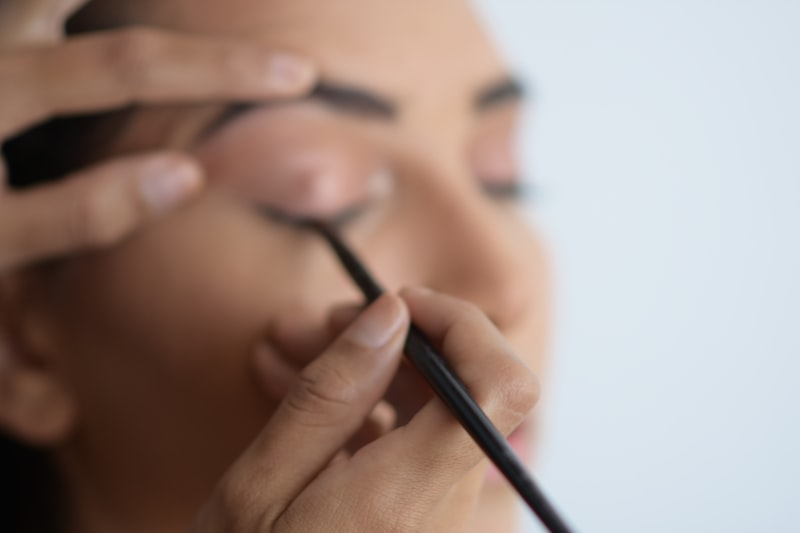
How to Get Perfect Winged Eyeliner Every Time
A step-by-step guide to consistent, symmetrical winged eyeliner — the technique, tool choice, and fixes for the most common mistakes.
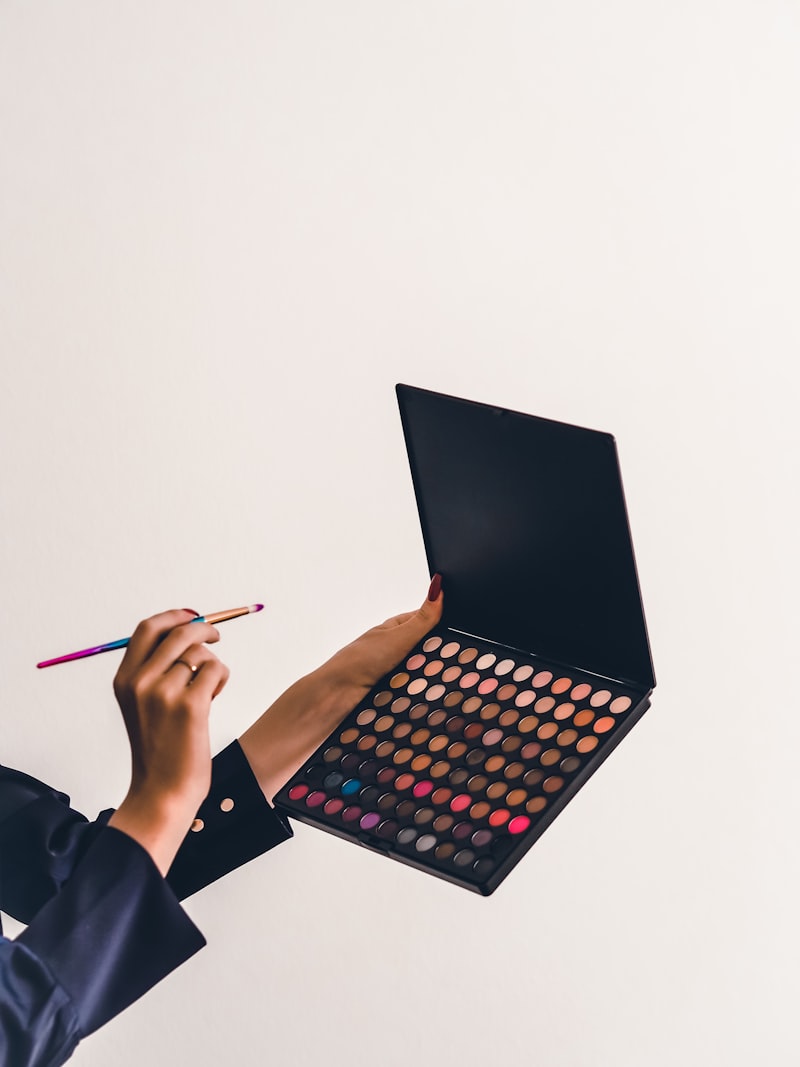
Eyeshadow Tutorial for Beginners: How to Create a Soft Fox Eye Look
A beginner-friendly, step-by-step eyeshadow tutorial for the popular fox eye look — blending technique, placement, and the mistakes that ruin it.
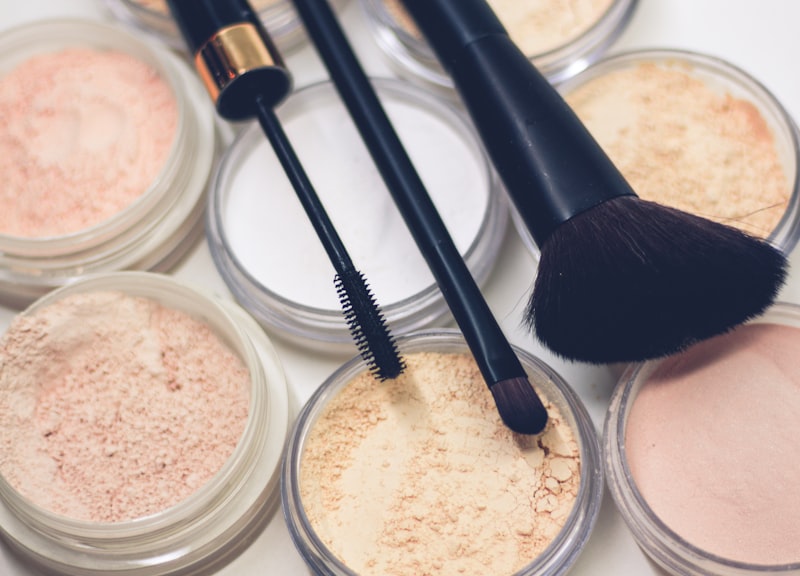
How to Use Setting Powder: The Baking Technique for Flawless, Long-Lasting Makeup
Learn how to set your foundation and concealer with powder, plus the baking technique for makeup that lasts all day without creasing or looking cakey.