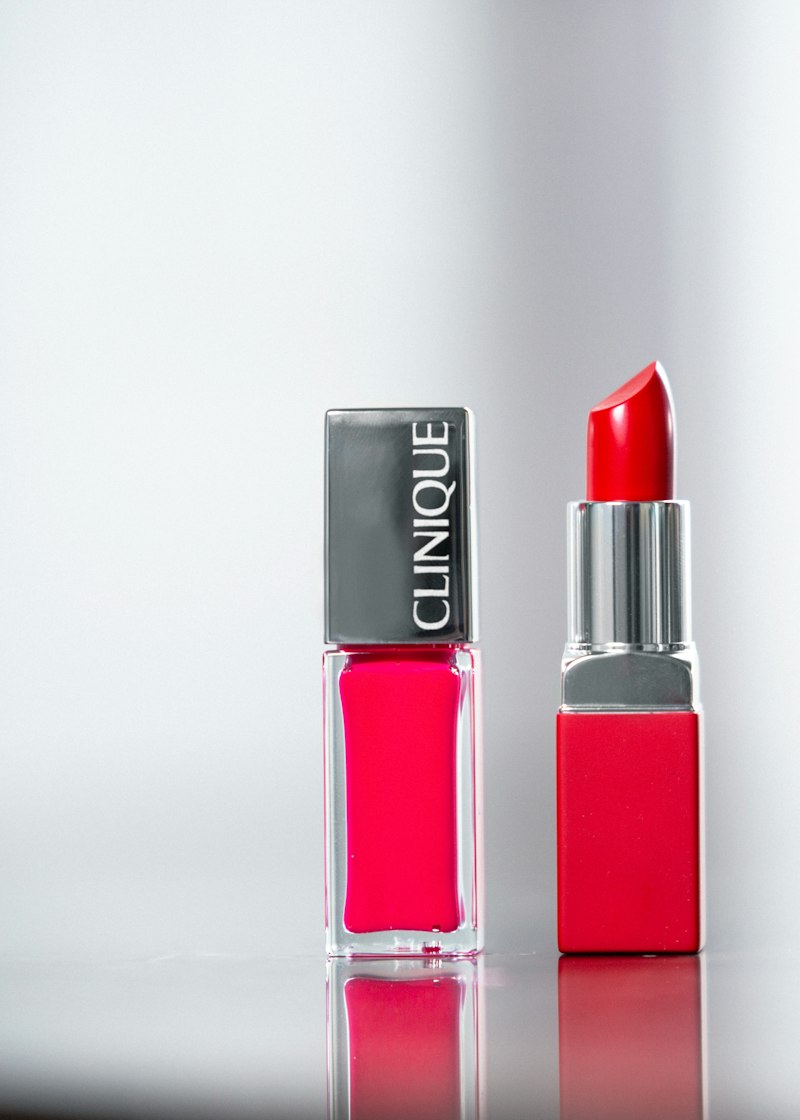
Balancing Bold: Why It's Lip OR Eye, Not Both
A Certified Makeup Artist explains the classic makeup rule of balancing one bold feature at a time, and how to choose which one to make the focal point.
Introduction
One of the most foundational rules in makeup artistry is also one of the most frequently ignored by beginners: choose one bold feature — lips or eyes — as your focal point, not both at once. As a Certified Makeup Artist, I want to explain the actual reasoning behind this rule, and how to apply it to build a genuinely polished, intentional-looking makeup look.
Why This Rule Exists in the First Place
When both the eyes and lips are heavily done — a dramatic smokey eye paired with a bold red lip, for example — the eye is naturally drawn back and forth between the two, and neither element gets to fully shine. A single, clear focal point reads as more intentional and polished than two competing bold elements fighting for attention.
How to Decide Which Feature to Make the Star
There’s no universally “correct” choice — it depends on your personal preference, the occasion, and sometimes practical factors like which feature you want to draw attention to that day. A good starting question: which feature do you feel most confident about, or which one matches the vibe you’re going for? Let that answer guide your focal point.
Building a Bold Eye Look With a Simple Lip
If you’re choosing a dramatic or colorful eye look as your focal point, keep lips in the neutral-to-soft range — a nude, soft pink, or your natural lip color enhanced with a bit of balm or gloss. This isn’t about lips being an afterthought; it’s a deliberate choice that lets the eye makeup you spent time on actually be seen and appreciated.
Building a Bold Lip Look With Simple Eyes
If a statement lip color is your focal point, keep eye makeup soft and neutral — a light wash of a matte transition shade, simple mascara, and maybe subtle definition, without heavy shadow or dramatic liner. This lets a bold lip color read as the clear, intentional highlight of the whole look.
What “Simple” Doesn’t Mean
Choosing the non-focal feature to be simple doesn’t mean skipping it entirely or leaving it looking unfinished — a soft, neutral eye still needs proper blending and a groomed look, just as a neutral lip still benefits from proper prep and a flattering shade. “Simple” means restrained in intensity, not careless in execution.
When This Rule Can Be Broken
Like most style guidelines, this one isn’t an absolute law — some looks intentionally break it for a specific editorial or high-fashion effect. But for the vast majority of everyday and special-occasion makeup, following this balance principle genuinely produces a more polished, cohesive result than doing both features at full intensity.
Applying This Rule to Cheek and Contour Too
The same underlying principle extends to the rest of the face — if eyes and lips are both relatively bold, keeping cheek color and contour more understated helps prevent the whole face from feeling overloaded. Balance across the entire face, not just between eyes and lips specifically, is what separates an intentional look from an overdone one.

The Beauty Tips Guide
20+ years as a Licensed Master Esthetician and Makeup Artist, condensed into one guide.
Building Confidence in Your Focal Point Choice
The more you practice choosing a deliberate focal point rather than defaulting to doing everything at once, the more natural this decision-making becomes. Over time, you’ll likely develop a sense of which focal point you gravitate toward for different occasions, moods, or outfits.
Common Mistakes to Avoid
- Applying full intensity to both eyes and lips in the same look. This creates competing focal points rather than one clear, intentional highlight.
- Treating the “simple” feature as an excuse to skip proper technique. Restrained intensity still needs proper blending and prep.
- Not considering the rest of the face when balancing eyes and lips. Cheek color and contour intensity should complement your chosen focal point too.
- Feeling locked into always choosing the same focal point. Experiment with both eye-forward and lip-forward looks to find what you genuinely prefer.
Pro Tips
- Decide your focal point before you start applying makeup, so every other choice you make supports that decision intentionally.
- Keep the non-focal feature well-groomed, not skipped — restrained doesn’t mean careless.
- Extend the balance principle to cheeks and contour, not just eyes and lips, for a genuinely cohesive full-face look.
- Practice both eye-forward and lip-forward looks to build confidence choosing whichever focal point suits your mood or occasion.
Frequently Asked Questions
Is it ever okay to do a bold eye and bold lip at the same time? It can work for specific editorial or high-fashion effects, but for most everyday and special-occasion makeup, choosing one clear focal point produces a more polished, intentional-looking result.
How do I decide whether to make my eyes or lips the focal point? Consider your personal preference, the occasion, and which feature you feel most confident highlighting that day — there’s no universally correct choice.
Does keeping a feature “simple” mean I can skip proper technique there? No — a restrained eye or lip still needs proper blending, prep, and a flattering shade. Simple means lower intensity, not lower effort.
Should this balance principle apply to the whole face, not just eyes and lips? Yes — keeping cheek color and contour more understated when eyes or lips are already bold helps prevent the entire look from feeling overloaded.
Conclusion
Choosing one clear focal point — bold eyes or bold lips, not both — is a simple but genuinely powerful principle for a polished, intentional-looking makeup application. Watch the full video above for more on applying this rule. ✨
Related Posts

This Fall Makeup Look Works on Everyone: A Get-Ready-With-Me Tutorial
A versatile, easy fall makeup look that flatters every skin tone and eye shape — a full get-ready-with-me tutorial from base to lips.
How to Get Perfect Winged Eyeliner Every Time
A step-by-step guide to consistent, symmetrical winged eyeliner — the technique, tool choice, and fixes for the most common mistakes.
Eyeshadow Tutorial for Beginners: How to Create a Soft Fox Eye Look
A beginner-friendly, step-by-step eyeshadow tutorial for the popular fox eye look — blending technique, placement, and the mistakes that ruin it.
How to Use Setting Powder: The Baking Technique for Flawless, Long-Lasting Makeup
Learn how to set your foundation and concealer with powder, plus the baking technique for makeup that lasts all day without creasing or looking cakey.