
How to Shave Facial Hair at Home Without Breakouts or Irritation
A licensed esthetician's guide to safe at-home dermaplaning — removing peach fuzz without acne, razor bumps, or irritation.
By Rita Almusa, Licensed Master Esthetician — 20+ years of experience
Introduction
Facial shaving — often called dermaplaning when done with the right tool and technique — is one of those topics people are curious about but hesitant to try, usually out of fear it’ll cause breakouts, make hair grow back thicker, or leave skin irritated. As a licensed Master Esthetician, I want to walk through the professional way to remove facial peach fuzz safely at home, and clear up the misconceptions that keep people from trying it.
What Dermaplaning Actually Is
Dermaplaning uses a fine, sterile blade held at a shallow angle to gently scrape away the top layer of dead skin cells along with fine vellus hair (peach fuzz) from the face. It’s different from a standard razor in blade angle and technique — the goal is a controlled, shallow pass across the skin’s surface, not a close shave the way you’d approach body hair.
Does Facial Hair Grow Back Thicker After Shaving?
This is the most persistent myth around facial shaving, and it’s not accurate. Vellus hair (the fine, soft hair on most of the face) doesn’t grow back thicker or darker from shaving — that’s a misconception based on how regrowth looks and feels immediately after removal, not an actual change in the hair’s structure. The blunt tip of freshly cut hair can feel coarser to the touch for a short period, which is likely where this myth originated.
How to Do It Safely at Home
1. Start With Clean, Dry Skin
Cleanse thoroughly and pat your skin completely dry. Dermaplaning on wet or oily skin increases the risk of nicks and reduces how effectively the blade can glide.
2. Hold the Tool at a Shallow Angle
A roughly 45-degree angle against the skin is standard — too steep an angle increases nick risk, while too flat won’t effectively remove hair or dead skin.
3. Use Short, Light Strokes
Work in short, feather-light strokes in the direction hair grows, rather than long dragging motions or going against the grain, which increases irritation risk.
4. Work Section by Section
Cheeks, jawline, and above the lip each need slightly different handling given the skin’s contours — go slowly and adjust your angle as you move across different areas of your face.
5. Avoid Active Breakouts
Never dermaplane directly over active acne, open blemishes, or irritated skin — this can spread bacteria and worsen irritation rather than help it.
6. Follow With a Soothing, Barrier-Supporting Product
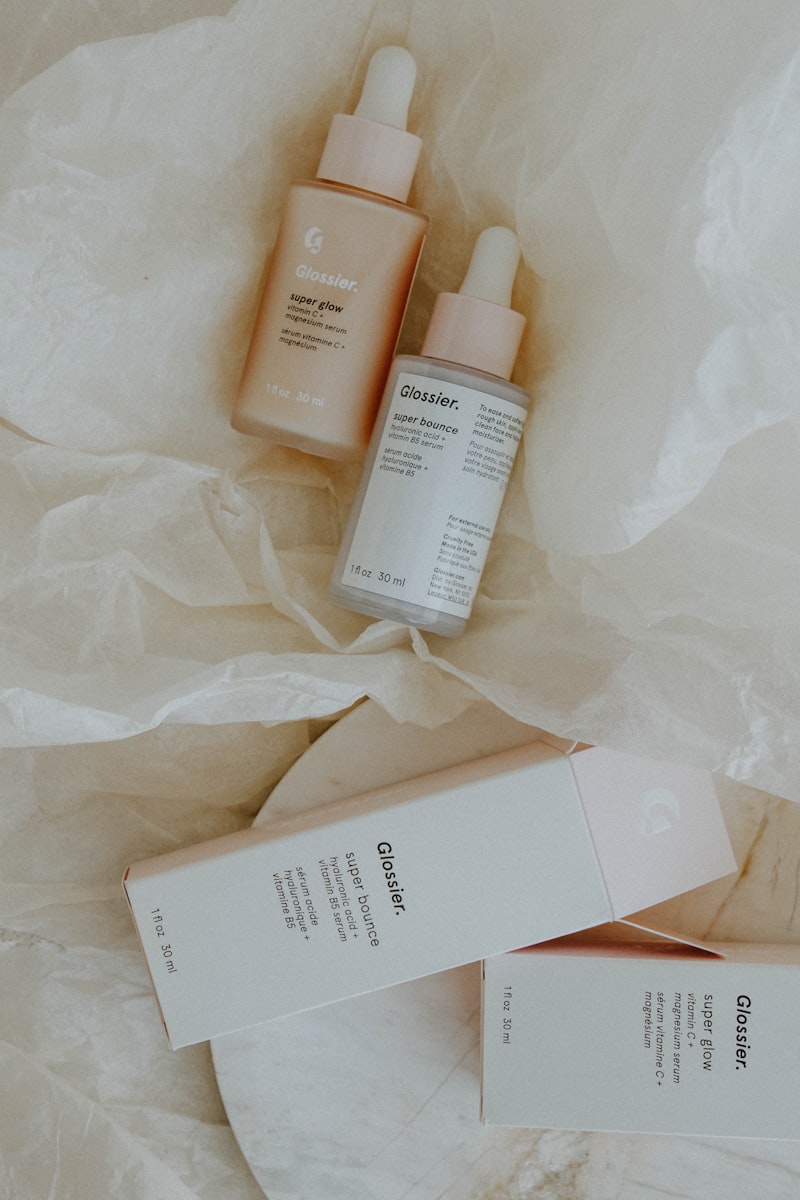
Freshly dermaplaned skin is more receptive to product but also temporarily more sensitive. A gentle, hydrating serum or moisturizer, without strong active ingredients, is the right follow-up immediately after.
7. Always Use SPF the Next Day
Freshly exfoliated skin is more vulnerable to UV damage. Diligent sunscreen use in the days following dermaplaning is non-negotiable.
Why People Get Breakouts From Facial Shaving (And How to Avoid Them)
Breakouts after dermaplaning are almost always caused by one of a few preventable issues: a dull or dirty blade, going over the same area too many times, or applying heavy, pore-clogging products immediately afterward on freshly sensitized skin. Using a sharp, clean, single-use or properly sanitized blade, limiting passes over any one area, and following with lightweight products solves most of the irritation people associate with facial shaving.
Common Mistakes to Avoid
- Using a dull blade. This is the single biggest cause of irritation, nicks, and an uneven result — always use a sharp, fresh blade.
- Going over the same area repeatedly. One or two passes per area is generally enough; excessive repeated passes increase irritation risk without improving results.
- Skipping SPF afterward. Freshly exfoliated skin needs extra sun protection, not less.
- Dermaplaning over active breakouts or irritated skin. Wait until the area has calmed down before treating it.
- Applying heavy, occlusive products immediately after. Lightweight, non-comedogenic products are the safer choice right after treatment.

The Beauty Tips Guide
20+ years as a Licensed Master Esthetician and Makeup Artist, condensed into one guide.
What to Look for in a Dermaplaning Tool
Not every facial razor is designed for genuine dermaplaning. Look for a tool with a single, sharp, sterile blade specifically designed for facial use, rather than a standard body razor repurposed for the face. Disposable single-use blades eliminate the sanitation concerns of a reusable blade entirely, which is worth the modest extra cost for many people. Ergonomic handles that let you see and control the blade angle clearly also make a real difference in precision, especially around contoured areas like the jaw and upper lip.
How Often Should You Do This?
Every three to four weeks is a reasonable cadence for most people — this roughly aligns with the skin’s natural cell turnover cycle. Doing it more frequently doesn’t meaningfully improve results and increases the risk of over-exfoliation and irritation.
Troubleshooting Common Problems
I got a few small nicks. This almost always points to a dull blade or too steep an angle. Clean the area gently, apply a soothing product, and use a fresh blade with a shallower angle next time.
My skin felt tight and irritated afterward. This can mean too many passes over one area, or skipping a hydrating follow-up product. Stick to one or two passes per section and always moisturize immediately after.
I didn’t notice much of a difference. Make sure you’re actually catching the hair at a shallow enough angle — too steep an angle exfoliates dead skin but may miss most of the fine hair you’re trying to remove.
Pro Tips
- Always use a fresh or properly sanitized blade — never reuse a dull one, which increases both irritation and infection risk.
- Avoid other exfoliating actives (acids, retinol) for a few days before and after to avoid compounding irritation on freshly treated skin.
- Do it in good lighting so you can clearly see the angle and coverage as you work.
- Moisturize generously afterward — skin can feel slightly tight or sensitive immediately following treatment.
Frequently Asked Questions
Is dermaplaning safe for sensitive or acne-prone skin? Generally yes for sensitive skin when done gently, but avoid active breakouts specifically. If you have a diagnosed skin condition or very reactive skin, consult a dermatologist before trying it at home.
Can I wear makeup right after dermaplaning? Yes, and many people find makeup actually applies more smoothly afterward since the fine hair and dead skin cell layer are no longer creating texture. Just use a gentle, non-irritating formula on freshly treated skin.
What’s the difference between dermaplaning and threading or waxing for facial hair? Dermaplaning removes hair at the skin’s surface without disturbing the follicle, so regrowth timing is faster (days rather than weeks) but generally more comfortable, with less risk of ingrown hairs than waxing or threading. If you’d rather remove hair at the root, my at-home face waxing guide walks through that method safely.
Can I dermaplane if I’m using retinol or other strong actives? Pause strong actives for a few days before and after dermaplaning to avoid compounding irritation on freshly exfoliated skin — this is a similar precaution to any other exfoliation method layered with active ingredients.
Is professional dermaplaning better than doing it at home? Professional treatments typically use a slightly more aggressive blade and technique under trained supervision, which can provide a more thorough result, but a well-done at-home version with proper tools and technique is a reasonable, safe alternative for regular maintenance between professional visits.
Conclusion
Facial shaving, done correctly with a sharp tool and gentle technique, is a safe and genuinely effective way to remove peach fuzz and smooth skin’s texture — the breakout and thick-regrowth fears are largely myths once you understand the actual technique. Watch the full video above to see the exact angle and stroke technique in action, and start slowly if you’re new to it. ✨
Related Posts
At-Home Microneedling: What It Can (and Can't) Do for Acne Scars and Pores
A licensed esthetician's honest, safety-first guide to at-home microneedling — realistic expectations, proper technique, and when to see a professional instead.

Do Facial Steamers Actually Work? An Esthetician's Honest Guide
A licensed esthetician explains what a facial steamer actually does for your skin, how to use one safely, and whether it's worth adding to your routine.

My Nighttime Skincare Routine: An At-Home Facial Anyone Can Do
A licensed esthetician's full nighttime skincare routine — a step-by-step at-home facial ritual for glowing skin, in the right order.

How to Use a Gua Sha: The Facial Massage Technique Everyone's Talking About
A licensed esthetician's real guide to facial gua sha — the correct technique, what it actually does, and how to choose between jade, rose quartz, and steel.