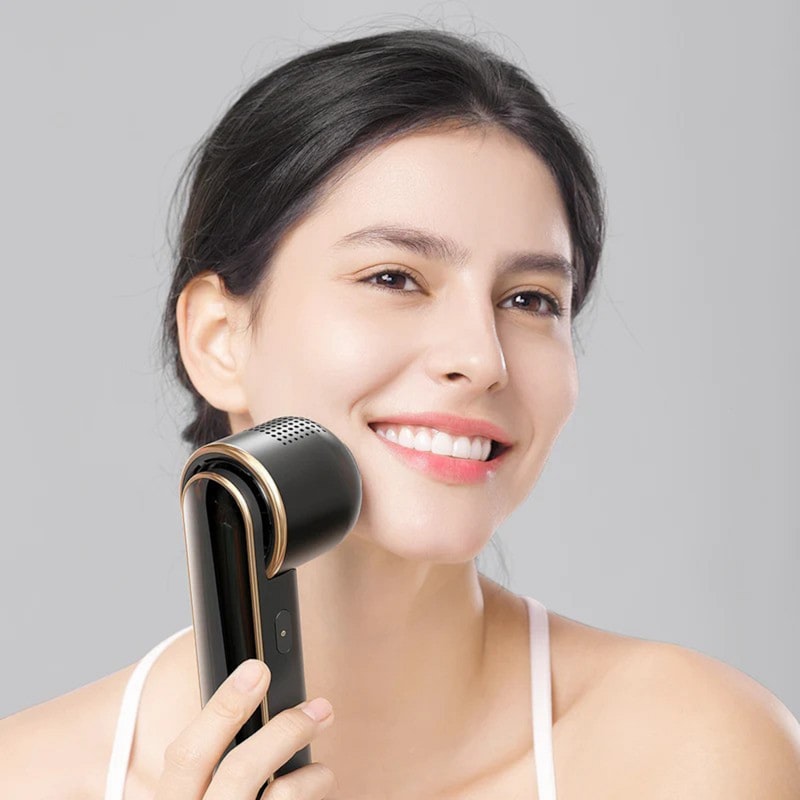
Amiro R3 Turbo Review: Is This At-Home RF Skin Tightening Device Worth It?
An esthetician's honest review of the Amiro R3 Turbo radio frequency device — how RF skin tightening works, realistic expectations, and who it's actually for.
By Rita Almusa, Licensed Master Esthetician — 20+ years of experience
Introduction
At-home radio frequency devices have become one of the most talked-about categories in skincare tech, promising professional-spa results without the professional-spa price tag. After more than 20 years as a Master Esthetician testing tools like this, I tried the Amiro R3 Turbo to see whether it holds up to that promise. Here’s an honest breakdown of how RF technology actually works, what this specific device does well, and what kind of results are realistic to expect.
What Radio Frequency (RF) Technology Actually Does
RF devices work by delivering controlled heat energy into the deeper layers of the skin. That gentle heat is associated with encouraging the skin’s natural collagen production process and can give the appearance of firmer, more toned skin over time. This is different from LED light therapy, which works through light wavelengths rather than heat, and different from a facial massager, which works mechanically through motion. RF is specifically a heat-based technology, which is part of why devices in this category usually include temperature control safety features.
First Impressions of the Amiro R3 Turbo
The device itself feels genuinely well-built for an at-home tool — it has a smart temperature control system that adjusts to stay within a safe, comfortable range, which matters a lot with any heat-based device. It’s designed to target the face, jawline, and neck, and the size is comfortable to maneuver around smaller areas like under the jaw without feeling clunky.
How RF Compares to Other At-Home Devices
It’s worth understanding where RF fits relative to the other skincare tech categories, since they’re often confused:
- RF vs. LED light therapy: RF uses heat to stimulate the deeper skin layers; LED uses light wavelengths without heat. They’re not competing technologies — some routines use both, at different points in the week.
- RF vs. microcurrent facial massagers: Microcurrent uses low-level electrical current to stimulate muscle tone; RF uses heat to target the skin’s structural layer. Different mechanism, sometimes overlapping marketing claims — I break down microcurrent specifically in my guide to microcurrent facial devices if you’re weighing it against RF.
- RF vs. electroporation devices: Electroporation is primarily about improving product absorption; RF’s primary claim is around firmness and collagen support. Some newer devices combine multiple technologies into one tool.
Understanding which mechanism a device actually uses — rather than just the marketing language around “tightening” or “lifting” — makes it much easier to set realistic expectations before you buy.
How to Use It
1. Cleanse Skin Thoroughly
Start with a completely clean face — any makeup, sunscreen, or leftover product residue interferes with how well the device can make contact with skin.
2. Apply a Conductive Gel or Serum
RF devices typically need a conductive layer between the metal head and your skin, both for comfort and for the device to function properly. Check your specific model’s instructions for what’s recommended.
3. Use Upward, Outward Motions
Move the device in slow, upward strokes along the jawline, cheeks, and neck — always working against the direction of sagging, not with it.
4. Follow the Recommended Session Time
Most RF devices recommend sessions in the 10-15 minute range. Longer sessions aren’t more effective and can increase the risk of skin irritation from excess heat exposure.
5. Use Consistently, Not Sporadically
Like most skincare technology, RF devices work cumulatively. A few uses won’t tell you much — most users report change over several weeks of consistent, regular sessions.
What Results Are Realistic
I want to be clear and honest here rather than overselling this category of device: at-home RF tools are generally gentler and lower-intensity than the professional-grade RF treatments you’d get in a med-spa. Consistent use may help support the appearance of firmer-looking skin and can be a nice addition to an anti-aging routine, but it’s not going to produce the dramatic, immediate results of a clinical treatment. If you’re dealing with significant skin laxity or specific medical concerns, that’s a conversation for a dermatologist, not an at-home device.

The Beauty Tips Guide
20+ years as a Licensed Master Esthetician and Makeup Artist, condensed into one guide.
Who This Device Is Actually For
This is best suited for someone who wants a gentle, gradual, at-home addition to an existing skincare routine — not a replacement for professional treatments, and not a quick fix. If you’re consistent with it and pair it with good skincare fundamentals (cleansing, moisturizing, SPF), it’s a reasonable investment. If you’re looking for dramatic, fast results, this category of device isn’t going to deliver that regardless of brand.
Building It Into a Full Routine
An RF device works best as one part of a broader skincare approach, not a standalone fix:
- Cleanse and prep skin as you normally would.
- Use the RF device with your chosen conductive serum or gel, following the recommended session length.
- Follow with your regular serum and moisturizer once the session is done — the increased circulation from the RF session can help these absorb well.
- Maintain your fundamentals — SPF during the day, gentle cleansing, and consistent hydration — since none of that gets replaced by adding a device to your routine.
Most people who see the best results from at-home RF are the ones who treat it as a consistent weekly habit layered onto an already-solid routine, not a replacement for one.
Common Mistakes to Avoid
- Skipping the conductive layer. Using the device on completely dry skin without gel or serum reduces both comfort and effectiveness.
- Overusing it. More sessions per week doesn’t speed up results and increases irritation risk — stick to the manufacturer’s recommended frequency.
- Expecting immediate results. This is a cumulative, gradual-use device, not an instant-fix tool.
- Ignoring the temperature settings. Higher heat isn’t automatically better — use the setting that’s comfortable, not the maximum available.
Pro Tips
- Pair it with a hydrating serum rather than a plain gel for extra skincare benefit during your session.
- Use consistent motions in the same direction each session rather than random movement, to build a routine your skin responds to predictably.
- Track progress with photos in the same lighting every few weeks — day-to-day changes are subtle and easy to miss in the mirror.
- Clean the device head after every use to keep it performing well and hygienically.
Frequently Asked Questions
Is RF skin tightening safe to use at home? At-home RF devices are generally designed with safety features like temperature control specifically because they’re meant for personal, unsupervised use. That said, anyone with a pacemaker, metal implants in the treatment area, or who is pregnant should consult a doctor before using any RF device.
How long until I might see results? Most people report needing several weeks of consistent, regular use before noticing a meaningful difference — this isn’t a one-session tool.
Can I use an RF device on my under-eye area? Some devices include a specific setting or attachment for this delicate area, but not all are designed for it. Always check your specific device’s guidance, since the skin around the eyes is thinner and more sensitive than the rest of the face.
Does RF work on all skin types and tones? Unlike IPL or laser devices, RF doesn’t rely on melanin contrast, so it’s generally suitable across skin tones. As always, anyone with active skin conditions or concerns should check with a dermatologist first.
Conclusion
The Amiro R3 Turbo is a solidly built, thoughtfully designed at-home RF device, and it’s a reasonable addition to a skincare routine if you go in with realistic expectations about what at-home technology can and can’t do. Watch the full video above for my hands-on demo and more detailed thoughts, and remember that consistency matters far more than any single device when it comes to skin tech. ✨
Related Posts
I Tried a Vibrating Facial Cleansing Wand — Here's My Honest Review
An esthetician's honest review of vibrating facial cleansing wands — how they actually help your routine, and how to use one correctly.
Do Microcurrent Facial Devices Actually Work? An Esthetician's Honest Take
A licensed esthetician breaks down how microcurrent facial devices actually work, what's realistic marketing vs. hype, and what results to expect.
I Tried the Medicube AGE R Booster: Does This Viral Skincare Device Work?
An esthetician's honest review of the Medicube AGE R Booster — how electroporation skincare devices work and whether the viral K-beauty tool lives up to the hype.
Is At-Home IPL Hair Removal Safe? An Honest Ulike Air 10 Review
An esthetician's honest review of at-home IPL hair removal with the Ulike Air 10 — how it works, who it's safe for, and what results to realistically expect.