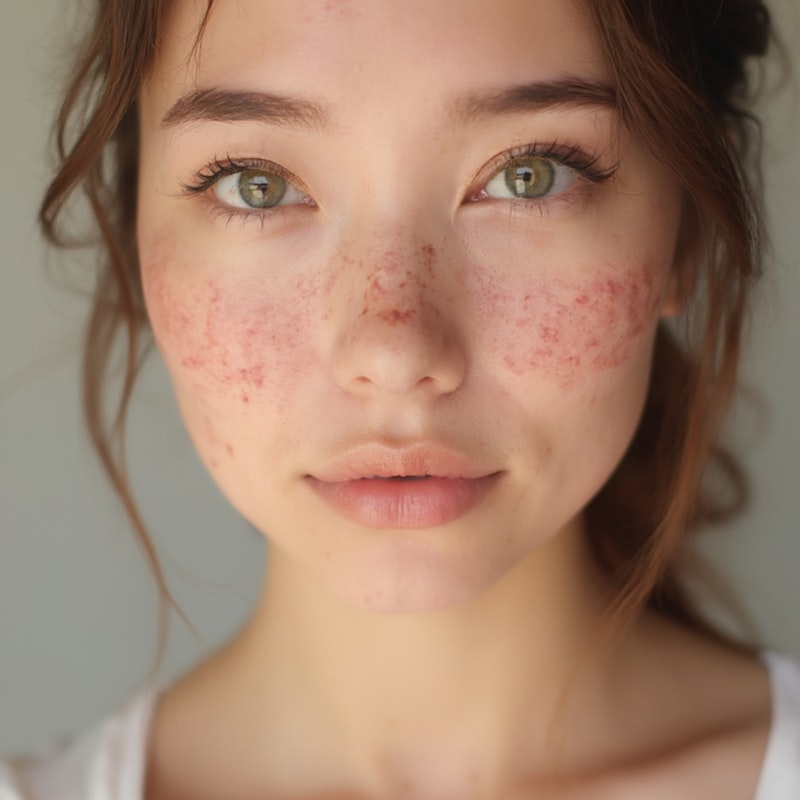
How to Fade Acne Scars, Dark Spots, and Blackheads: My Night Routine
A Master Esthetician's night-time routine for fading acne scars and dark spots and minimizing the look of blackheads, using oil cleansing, vitamin C, and gentle exfoliation.
By Rita Almusa, Licensed Master Esthetician — 20+ years of experience
Introduction
Acne scars, dark spots, and blackheads are three of the most common concerns I hear about in my esthetician practice, and they each need a slightly different approach — which is exactly why a lot of people end up frustrated with a routine that only addresses one of the three. As a Master Esthetician, I want to walk you through the night-time routine I actually use and recommend, product by product, so you understand not just what to apply but why each step matters for these specific concerns.
Start With an Oil Cleanse, Even on Oily or Acne-Prone Skin
I know it sounds counterintuitive, but cleansing with oil is one of the most effective ways to dissolve the combination of sebum, sunscreen, and makeup that clogs pores and contributes to blackheads in the first place. I use Jojoba Oil for this step because its molecular structure is close to skin’s own natural sebum, so it cleanses thoroughly without stripping the skin barrier the way a harsh foaming cleanser can. Massage a few drops into dry skin for a full minute before rinsing or following with a gentle water-based cleanser — this “double cleanse” approach is standard in professional skincare for a reason.
Why Over-Cleansing Makes Dark Spots and Blackheads Worse
A mistake I see constantly: people with blackheads and post-acne dark spots reach for stronger and stronger cleansers, thinking they need to “dry out” the problem. In reality, an over-stripped, inflamed skin barrier tends to overproduce oil in response and heals discoloration more slowly, not less. Gentle, consistent cleansing paired with targeted actives does far more for both concerns than aggressive scrubbing ever will.
Target Dark Spots and Acne Scars With Vitamin C
Once skin is clean, a vitamin C serum is one of the best-supported ingredients for helping fade the look of post-acne dark spots and uneven tone over time. I use the Vitamin C Your Youth Serum in the evening, applied to fully dry skin before anything heavier. Vitamin C is also a genuinely helpful antioxidant layer for skin overall, but for this routine specifically, its role is supporting a more even-looking tone where old breakouts have left marks behind. Give it real time — visible fading is a gradual process measured in weeks, not days.
Nourish and Repair Overnight With Rosehip Oil
After vitamin C has absorbed, I follow with rosehip oil as the final step before bed. Rosehip oil is rich in essential fatty acids and naturally occurring vitamin A, which makes it a gentle nighttime option for supporting skin’s natural renewal process while you sleep — a nice complement to the brightening work the vitamin C serum is doing earlier in the routine. It also helps lock in hydration from the earlier steps, which matters more than people expect for scar-prone skin, since well-hydrated skin generally shows visible improvement in texture faster than dehydrated skin.
Don’t Skip the Under-Eye Area
Dark spots and uneven tone aren’t limited to acne-prone areas of the face — the under-eye area needs its own dedicated, gentler formula. I finish with the Under Eye Nourishing Creme, which is formulated specifically for the thinner, more delicate skin in this area rather than using a heavier face cream that could be too rich or potentially irritating that close to the eyes.

The Beauty Tips Guide
20+ years as a Licensed Master Esthetician and Makeup Artist, condensed into one guide.
What Actually Helps Blackheads Specifically
Blackheads form when oil and dead skin cells oxidize inside an open pore, and no single serum “removes” them overnight. What genuinely helps over time is consistent gentle exfoliation to keep pores from getting clogged in the first place, combined with the oil-cleansing step above to prevent buildup. If you’re using a physical exfoliant or facial roller as part of your routine, always follow with hydration rather than leaving skin bare — under-exfoliated, dehydrated skin tends to overcompensate with more oil production, which brings you right back to more blackheads.
Order of Operations Matters
A quick note on sequencing, since I get asked about this often: cleanse first, apply water-based and lighter serums like vitamin C before heavier oils, and always apply the thinnest, most active-forward products closest to clean skin. Oils should generally go last, since they can act as a barrier that slows absorption of anything applied after them. This is why the order in this routine — oil cleanse, vitamin C, rosehip oil, then eye cream — isn’t arbitrary.
Common Mistakes to Avoid
- Over-cleansing or over-exfoliating in an attempt to “dry out” acne and blackheads. This usually backfires by disrupting the skin barrier and increasing oil production.
- Expecting dark spots to fade in days. Post-acne discoloration is a genuinely gradual process — realistic expectations are measured in weeks to months of consistent use.
- Skipping hydration on oily or acne-prone skin. Dehydrated skin often produces more oil, not less, which works against you.
- Using the same rich cream on the under-eye area as the rest of the face. The skin there is thinner and benefits from a dedicated, gentler formula.
- Applying oils before water-based serums. This blocks proper absorption of the actives underneath.
Pro Tips
- Be consistent above all else. A simple routine followed every night will outperform a complicated one used sporadically, especially for gradual concerns like dark spots.
- Always apply SPF the following morning, since active ingredients like vitamin C can increase photosensitivity, and unprotected sun exposure will undo progress on dark spots.
- Take a photo in the same lighting every couple of weeks so you can actually track the gradual change — day-to-day differences are too subtle to notice otherwise.
- Patch test any new active, including vitamin C, on a small area first if you have sensitive or reactive skin.
Frequently Asked Questions
How long does it take to see results on acne scars and dark spots? Most people need at least four to six weeks of consistent use before noticing a visible difference, since skin cell turnover and pigment fading are naturally gradual processes.
Can I use vitamin C and rosehip oil together, or should I alternate them? They work well layered in the same routine — vitamin C first on clean, dry skin, then rosehip oil as a final sealing step, as outlined above.
Is oil cleansing safe for oily and acne-prone skin? Yes — a properly formulated facial oil like jojoba dissolves excess sebum rather than adding to it, and won’t clog pores the way some heavier or comedogenic oils can.
Will this routine work on deep, textured acne scarring? This routine is designed to help with discoloration and overall skin tone rather than significant textural scarring. Deep or pitted scarring typically responds better to a more targeted approach — I cover realistic expectations for that in my at-home microneedling guide — or in-office treatments; consult a licensed esthetician or dermatologist for that specific concern.
Conclusion
Fading dark spots and minimizing blackheads isn’t about one miracle product — it’s about a consistent routine that cleanses gently, targets discoloration with vitamin C, nourishes overnight with rosehip oil, and doesn’t neglect the delicate under-eye area. Watch the full video above for the complete step-by-step routine, and give it real time before judging results. ✨
Related Posts

How to Use a Rose Quartz Roller (And Why It's Worth Adding to Your Routine)
A practical guide to rose quartz facial rollers — the real benefits, the correct technique, and how to pair one with serum for the best results.
POV Beauty Review: Whipped Moisturizer & Drip It Serum Tested
A Master Esthetician's honest POV Beauty review — the Whipped Moisturizer and Drip It Serum texture, routine order, and my RITA10 discount code.
At-Home Microneedling: What It Can (and Can't) Do for Acne Scars and Pores
A licensed esthetician's honest, safety-first guide to at-home microneedling — realistic expectations, proper technique, and when to see a professional instead.

Do Facial Steamers Actually Work? An Esthetician's Honest Guide
A licensed esthetician explains what a facial steamer actually does for your skin, how to use one safely, and whether it's worth adding to your routine.